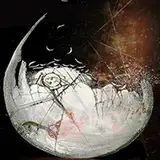

So the first episode of Problem Solving is shot! It's all about when projects go wrong and how to get unstuck. This episode was spawned from a fairy lantern I was making that turned into a disaster when the resin pour failed and then how I turned the project around.

In this episode we also learn about modeling epoxy as my bread and butter for problem solving. Hence my rope swing held together with epoxy hahah.


To make a project for Problem Solving I did some soldering to modify some LED torches. I haven't done anything like this since high school so it was pretty fun to relearn (it worked, but it didn’t look pretty). I think lighting is a really underrated tool in miniatures that I want to see how I can incorporate it in interesting ways
This project was my first experiment.

I also got my first opportunity to use my new wood burning tool to create patterns on clear plastic to make some little wings. Worked like a treat after dialing in the perfect temperature… and then the wood burner broke 30 minutes into using it for the first time. Very sad, I’ll replace it though because it's an awesome tool so far!


Here’s a bunch of Arcane Ugly mutations being worked on so far by John;
Here's Sigil Magic, which is a reimagining of sigils for weapons. Now they can be used for weapons and for crafting/problem solving. More to come.
Sigil Magic:
Sigils are complex arcane inscriptions that can make mundane objects, magical, or magical objects... even more magical.
Sigils once required grand expertise and power to create from nothing—until now. Thanks to some very opportunistic (and now very rich magicians), sigils have entered the DIY market. Using a Sigil Template sold pre-soaked in magical energy you can now transfer a sigil onto anything at home!
Sigil Templates are single use only and require a successful Intelligence + Weird DR12 test to transfer correctly. Sigils can be applied to almost any object with predictable results.
Sigil of Lighting
If you touch an object with a Sigil of Lighting with bare skin or metal roll a d6. On a 6 you are momentarily stunned, reducing your Speed by half for 6 seconds. If you are halfling-sized or smaller your Speed is instead reduced to 0.
Sigil of Attraction
An object with the Sigil of Attraction quickly pulls all metal objects towards it within 50ft of it upon spoken command. The object inscribed with the Sigil of Attraction will only move objects that are of a smaller size and weight than its own.

How does the script writing process start? Do you write an outline first?
The script process starts before any building or filming, I have an outline of what I want to achieve. Sometimes that outline is a couple of sentences, sometimes it's lots of dot points, sometimes it's even snippets of what ends up being finished script.
During the building process I take notes of interesting thoughts I have while I work, that I might want to reference or focus on.
Then when the build is done I write dot points about all my previous notes to work out how to structure my voice over.
Is the script written before or after a project?
Sometimes it's before, after or both! Sometimes scripts are written based off past experience so I can confidently write them without having built anything.
What makes a good script?
I think a good script is one that tells its own story rather than just narrates what is on screen. In a tutorial type video rather than say "I then glued the flock to the models base." A better use of time would be to talk about what you're trying to achieve, what story the base tells, a handy tip, a joke or something else entirely unrelated. It's tricky though, and it's easy to fall into a habit of just narrating what you see, especially if you've been working on a script for a while.
How do you decide if a video is better with a voiceover or talking to the camera?
I'm trying to incorporate both in one video now after experimenting. Voice over is a time saver, but it can be tiring to listen to if the video is really long. It's also difficult to have trials and tribulations for a good narrative when everything is post problem thoughts.
Do you do much cutting/editing?
The script itself goes through many iterations but after all is recorded, it gets edited again. Sometimes you don't recognise poor pacing until you hear the script in context of the video. If it doesn’t work I cut it!

Where do you write scripts?
I like to write scripts in more than one place typically. Even with a comfortable studio to write in, I often find myself much more productive writing in the car, on the couch, outside or waiting in line. Sometimes a change in location brings in new ideas or new attitudes.
Best advice for writing scripts you’ve heard?


Van Oaks Props has been a fantastic resource for me to learn new prop making skills. So many cheap DIY secrets in this channel and the videos are really concise and professional too. Even if prop making isn’t your thing, this channel is great because there is so much clever problem solving going on that will make you see ordinary objects and tools in different ways.


Time for a cheeky little Free Fing. Here’s a link to my medieval house template. Enjoy!

—-
The Miscast Minute - brought to you by Trent and Rachel. Have suggestions for what you’d like to see? Let us know!
We also love featuring your work in the Miscast Minute. You can email a photo of your project to miscastminute@gmail.com for consideration.