So, nearly all mammals alive today belong to a group called Theria. Therians first evolved in the Jurassic, and started off as tree-climbing possum-like things.
You know, kind of the Mesozoic mammal stereotype and all. Of course, that didn’t last forever, since we now have everything from kangaroos to me, but the point is that this massive diversity of mammals is actually just a subset in a much larger group.
After all, if Theria is a group within mammals, then logically there have been non-therian mammals.
Nowadays, the only non-therian mammals are a group of weirdoes called the monotremes, which is composed of several species of echidna as well as the platypus. These animals are often called “relics” or “living fossils”, which isn’t really accurate as they’re actually highly derived animals themselves. They’re every bit as close to the “ancestral mammal” as modern whales and cheetahs are.
And so were many extinct non-therian mammals.
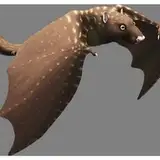
You see, although we stereotype mammals in the age of the dinosaurs as widdle little shrew-rodents-whatever, they were actually a fairly diverse bunch. From the fossil record of the Jurassic and Cretaceous period we have a variety of forms from diggers to herbivores to carnivores and even possible flyers.
Therians would eventually diversify as well in the Late Cretaceous, but for the longest time they were just a small minority within a large menagerie of mammal groups.
Join me as I tackle the various groups of non-therian mammals, that lived alongside and after the dinosaurs.