Q4 Loyalty Rewards: Dûrgrim & Aldric Virell
Added 2025-10-07 16:55:02 +0000 UTC
Meet our new duo from the northern marches of Avernia: Dûrgrim, a dwarf marked with the broken echo after shattering an oath, and Aldric Virell, a mercenary whose ledger eats better than his conscience. They’ll be the Q4 loyalty rewards—lore + minis designed for gritty, grounded battlefields where duty bites back.
We’re currently working on the distribution of the Q3 miniatures. I’ll let you know the moment they’re live.
---
The north of Avernia is a plain of wolves and steel: timber villages beneath the emblems of Halvar, proud heavy infantry, and folk who pay before they pray, because in the Valtharn duty is measured by deeds. Up there they distrust magic, respect the Serens grudgingly, and live with their jaws clenched.
For a dwarf, breaking an oath isn’t a slip; it’s losing the echo, being erased from the stone. Dûrgrim had shattered an inscription carved before witnesses; his name was condemned to the broken echo. Since then he traveled north with his axes wrapped in burlap, searching for an end worthy of remembrance… even if remembrance no longer belonged to him.

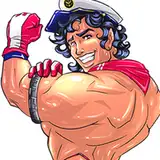
At his side walked Aldric Virell—crooked smile, cloak that smelled of tavern and rain. He didn’t say “I serve the just,” he said “I serve whoever pays.” He carried a ledger with more tabs than virtues and a dagger hidden where excuses end. “Conscience eats poorly,” he liked to say, “and the sword eats every day.”
That week the wind came down from the moor with the smell of damp coal. In Varneth of Haldrin, a frontier village, two rival overseers bid for their arms. The first, Jarno Haldrin, wanted an escort for his salt convoy to market; the second, the reeve Maelle, offered double to “clean out” some old tunnels that, they said, spewed bandits at dusk.
“Double, Dûrgrim,” said Aldric, running the numbers. “And the tunnels sound like a profitable trap.”

The dwarf, without raising his eyes, ran a rough hand over the haft of one axe.
“Stone doesn’t vomit, Aldric. Stone keeps. If something bleeds down there, it’s because someone broke their oath.”
They took Maelle’s job. At nightfall, a black mine mouth swallowed them. Zralkûrn, the old dwarven corridors, ran beneath the village like forgotten veins of an empire still breathing in silence. Blackened arches, carved marks that named custodians and punishments, and then a monolith whose inscription had been smashed to pieces: someone had broken the seal that closed that passage.
“Perfect place to set up an ‘illegal’ toll,” Aldric muttered. “You charge caravans not to get lost… and if they don’t pay, you let the ‘bandits’ handle it.”

They didn’t take long to appear. They weren’t bandits: they were Jarno’s men with salt-stained bracers, and behind them, old orcs with chain scars, led by a human foreman. Costly mix, dirty mix. Dûrgrim recognized the rusty scent of slave galleries.
“See?” Aldric raised his hands, theatrical. “I stop the bloodshed—for a fee. Mediation rates. Everybody wins.”
The foreman smiled, gold glinting between his teeth.
“Not everybody,” Dûrgrim growled, and the axes spoke first.
What followed was brief and decisive. The dwarf went in like a battering ram, felling the foreman and his lie with the same blow. Aldric—quick as doubt—closed the ledger and drew steel. The orcs—poorly paid, worse treated—broke ranks after two fell. Jarno fled toward the surface; Dûrgrim caught him on the ramp.
“The law of your village doesn’t weigh down here,” the dwarf spat. “Down here, stone weighs.”
And he hurled him against the broken monolith so he’d learn how breaking feels.
Above, Maelle waited with half the village, pitchforks in hand. She had suspected Jarno, but not the depth of his racket: he charged twice, above and below, and bought silence with fear. In the square, before the wolf standard, she offered Dûrgrim a heavy purse—and Aldric an identical one.

“We’re not judges,” she said. “But today you paid a debt that wasn’t yours.”
Dûrgrim pushed the purse aside.
“I have no debts I can pay.”
Aldric took his. Weighed it. Smiled. Then, to everyone’s surprise, he tucked it into Maelle’s satchel.
“Keep it. Put us down for a credit. When Jarno comes back with cousins and more gold, you raise the bid.”
“Still selling yourself to the highest bidder, Virell?” the dwarf grunted.
“Always,” Aldric said. “But today the highest bidder is your damned honor.”
That night they warmed the tavern with wet firewood. Dûrgrim sat apart, staring at the gap where, once, a chamber of the Dromthrûn might have stood if the enclave had been recognized. He knew his name would never return to the stone. But at least, for a while, the stone had stopped bleeding.

Aldric filled two cups.
“Tomorrow the reeve will send us to another village with another bid,” he said. “And I’ll raise it again.”
“Tomorrow we go down to seal the passage,” Dûrgrim answered. “With a new arch, with folk from the village. No coin.”
“I hate you when you work for free.” Aldric drained his wine. “But I hate you more when you talk me into it.”
They toasted without looking at each other. Outside, the north wind hammered the shutters; inside, the villagers spoke in low voices of the broken seal and the foreman who wouldn’t return. At dawn there would be a line of contracts: convoys, patrols, bids, and promises. Dûrgrim would walk toward the next fissure with his axes swaddled; Aldric would open his ledger, price the danger, and smile.
In Avernia, duty commands… and the sword eats every day.
---
El norte de Avernia es llano de lobos y acero: aldeas de madera bajo emblemas de Halvar, infantería pesada orgullosa, y gente que paga antes de rezar porque en el Valtharn el deber se mide por hechos. Allí desconfían de la magia, respetan a Serens a regañadientes y viven con la mandíbula apretada.
Para un enano, romper un juramento no es un desliz: es perder el eco, ser borrado de la piedra. Dûrgrim había quebrado una inscripción grabada ante testigos; su nombre fue condenado al eco roto. Desde entonces, viajaba hacia el norte con las hachas envueltas en arpillera, buscando un final que mereciera ser recordado… aunque a él ya no le tocase memoria.
A su lado iba Aldric Virell, sonrisa torcida, capa que olía a taberna y lluvia. No decía “sirvo al justo”, decía “sirvo al que paga”. Llevaba un libro de cuentas con más pestañas que virtudes y un puñal escondido allí donde terminan las excusas. “La conciencia come mal”, repetía, “y la espada cena todos los días”.
Aquella semana el viento bajó del páramo con olor a carbón húmedo. En Varneth de Haldrin, una aldea de frontera, dos capataces rivales pujaban por sus brazos. El primero, Jarno Haldrin, pedía escolta para su convoy de sal hacia el mercado; el segundo, la reeve Maelle, ofrecía el doble por “limpiar” unos túneles viejos que, decían, vomitaban bandidos al caer la tarde.
—Doble, Dûrgrim —dijo Aldric, repasando las cifras—. Y los túneles suenan a trampa rentable.
El enano, sin alzar la mirada, pasó la mano rugosa por el mango de una de sus hachas.
—La piedra no vomita, Aldric. La piedra guarda. Si sangra algo ahí abajo, será porque alguien partió su juramento.
Aceptaron el trabajo de Maelle. Al caer la luz, una boca de mina negra los tragó. Zralkûrn, los viejos corredores enanos, corrían bajo la aldea como venas olvidadas de un imperio que aún respiraba en silencio. Arcos ennegrecidos, marcas talladas que señalaban custodias y castigos, y, de pronto, un monolito con su inscripción reventada a golpes: alguien había quebrado el sello que cerraba aquel paso.
—Buen sitio para montar una aduana “ilegal” —murmuró Aldric—. Cobras a las caravanas por no perderse… y si no pagan, dejas que “los bandidos” se ocupen.
No tardaron en aparecer. No eran bandidos: eran hombres de Jarno con brazales de salitre, y al fondo, orcos viejos con cicatrices de cadena, guiados por un capataz humano. Mezcla cara, mezcla sucia. Dûrgrim reconoció el olor oxidado de las galerías esclavas.
—¿Ves? —Aldric levantó las manos, teatral—. Paro el derramamiento de sangre por un extra. Tarifas de mediación. Todos ganamos.
El capataz sonrió mostrando piezas de oro entre dientes.
—Todos no —gruñó Dûrgrim, y las hachas hablaron primero.
Lo que siguió fue breve y contundente. El enano entró como un ariete, derribando al capataz y a su mentira en el mismo golpe. Aldric, rápido como la duda, guardó el libro de cuentas y desenvainó. Los orcos —mal pagados, peor tratados— rompieron la fila tras dos caídos. Jarno escapó hacia la superficie; Dûrgrim lo alcanzó en la rampa.
—La ley de tu aldea no pesa aquí abajo —escupió el enano—. Aquí pesa la piedra.
Y lo arrojó contra el monolito roto para que aprendiera qué se siente al quebrarse.
Arriba, Maelle esperaba con media aldea armada de horcas. Había sospechado de Jarno, pero no de la profundidad de su negocio: cobraba dos veces, arriba y abajo, y compraba silencio con miedo. En la plaza, frente al estandarte del lobo, ofreció a Dûrgrim una bolsa pesada y a Aldric otra idéntica.
—No somos jueces —dijo ella—. Pero hoy habéis pagado una deuda que no era vuestra.
Dûrgrim apartó la bolsa.
—Yo no tengo deudas que pueda pagar.
Aldric sí la tomó. La pesó. Sonrió. Luego, para sorpresa de todos, se la metió a Maelle en el zurrón.
—Quédatela. Anótanos un crédito. Cuando Jarno vuelva con primos y con más oro, nos subes la puja.
—¿Sigues vendiéndote al mejor postor, Virell? —gruñó el enano.
—Siempre —dijo Aldric—. Pero hoy el mejor postor es tu maldito honor.
Esa noche caldearon la taberna con leña húmeda. Dûrgrim se sentó aparte, mirando el hueco donde, antaño, se habría alzado una cámara del Dromthrûn si aquel enclave hubiera sido reconocido. Sabía que su nombre nunca volvería a la piedra. Pero al menos, por un rato, la piedra había dejado de sangrar.
Aldric llenó dos vasos.
—Mañana la reeve nos mandará a otro pueblo con otra puja —dijo—. Y yo volveré a subírsela.
—Mañana bajaremos a sellar el paso —respondió Dûrgrim—. Con arco nuevo, con gente de la aldea. Sin moneda.
—Te odio cuando trabajas gratis —Aldric apuró el vino—. Pero te odio más cuando me convences.
Brindaron sin mirarse. Afuera, el viento del norte golpeaba los postigos; dentro, los aldeanos hablaban en voz baja del sello roto y del capataz que no volvería. Al amanecer, habría cola de encargos: convoyes, patrullas, pujas y promesas. Dûrgrim caminaría hacia la siguiente grieta con sus hachas cubiertas; Aldric abriría su libro, tasaría el peligro y sonreiría.
En Avernia, el deber manda… y la espada cena todos los días.
Comments
Nice!!
Isidoro Amador
2025-10-09 13:14:11 +0000 UTCNeed runes on the axe but ... even like that I need another panty
Freyaju
2025-10-07 19:05:41 +0000 UTC