A Simple Guide On How To Get Rich With NFT'S? (Part 2)
Added 2023-10-13 17:08:32 +0000 UTC
In part 1, I made a post about the understanding of NFT.
But now i am going to answer the million dollar question.
The question which everyone wants the answer to.
How do you know what is a good NFT and a bad NFT?
This is what you need to understand.
The same way you anlayse crypto altcoins is the same way you would do with NFT.
It is no different.
There are certain things you need to research before putting your hard earned money into a project.
Let me get straight into it.
.
.
1. The Art:
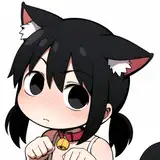
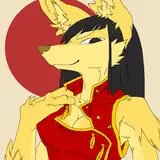
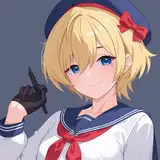
For NFT projects to succeed, their art should be either adorable, impressive, or strange.
This means people should find the art either really cute, really cool, or really weird.
These qualities make NFTs more popular and valuable.
But you also must consider:
- Is the art new and creative? Does it bring fresh ideas? New ideas keep the NFT market fresh and exciting.
- How skilled was the artist? Skilled artists create high-quality and valuable art.
- Is this project doing something entirely new, or is it copying others? Unique projects stand out and attract more attention.
- Are there enough unique qualities to justify creating lots of NFTs? Uniqueness justifies the NFT's worth.
- Does the art look good and will it catch peoples eyes? Attractive art is more likely to be desired.
- Who is the art meant for, and will they like it? Art that appeals to a specific group are more successful.
- Can you imagine other people having a special feeling or connection to it? Emotional attachment can increase the art's value.
- How does the art compare to the other NFT projects in their niche, and in the market more broadly?
It's important to remember that when evaluating NFT art, you are not assessing it based on your personal preferences.
What we might not buy, others might find valuable.
It's about understanding the broader perception and appeal, not just our own tastes
.
.
2. Fundamentals:
This refers to the most important quality or characteristic that defines the project.
You need to ask yourself these questions:
- What's the core nature or fundamental quality that defines the project?
This helps you understand the central purpose and identity of the project. If it doesn't have clear essence, it lacks a meaningful direction - huge red flag.
- Is there a genuine and meaningful fundamental, or is it only about making money?
This determines whether the project is genuine or just focused on making money. If it's primarily a money grab, it will lack clear substance or authenticity.
- When you engage with the project's community, do you sense a vibrant energy and a strong sense of togetherness? Or is it primarily focused on for a quick flip.
This assesses the strength of the project's community and its engagement, beyond surface-level interactions.
If there's no strong community vibe, it indicates a lack of genuine interest or connection among participants. You would want to stay away from it.
These evaluations help you ensure that the project has a clear purpose and is genuine in its intentions.
.
.
3. The story:
The story is important as that is what sells.
This is what will attract the people.
It can either be why they made the NFT’s or about the story that is the narrative behind the NFT’s - either way it should be compelling.
- What's the history of the NFTs they've created? What story have they developed around them? Understand the origin of the NFTs and their narrative. Without it, the NFTs lack context and depth.
- How attractive is the narrative presented in their marketing materials?
- Does the story spark your interest in buying one? If the story doesn't appeal to you, then it lacks a strong emotional connection, which will affect peoples desire to buy.
- Why did they start this project, and what's their vision for the future? Understanding why they started the project and their vision tells us about the project's authenticity. If motivations are purely financial, this is not good for the project's longevity.
- How does their story compare to other NFT projects? The project should stand out in a positive way. If it doesn't stand out positively, it will struggle in a competitive NFT market.
These aspects matter because the project's value, sustainability, and potential is what attract interest and investments.
So you have to think ahead of the curve.
.
.
4. The Founders:
When assessing "The Founders" of a project,
consider these questions:
- Do you know who the founders are, or are they anonymous? I never invest in projects that are anonymous so you shouldn't. Knowing the founders' identities promotes transparency and trust.
- How big is the team, and what's their background? The team's size and previous experience directly impact their ability to succeed in the project.
- Have they launched NFT projects before, and if so, how successful were those projects? They should have a clean track record of achieving targets and goals. Successful past NFT projects tell me they are competent and have reliability.
- How do the founders stack up against those leading other NFT projects? You want to identify the strongest founders in the industry and bet on them. You want the more expertise, as this influences the project's potential for success.
The credibility, expertise, and potential of the project's creators directly impacts the project's success and trustworthiness.
If these aspects are lacking i would question the project's legitimacy and potential.
.
.
5. Scarcity:
When examining "The Scarcity/Rarity" of NFTs, think about these questions:
- How many NFTs are they making, and at what cost for each NFT?
- Compare the project's total fundraising amount to similar NFT projects. Example: If this project aims to raise $50,000, check if this amount is in line with what similar projects have raised. Unrealistic fundraising goals can deter potential investors.
- Assess if what they've created justifies the amount they're trying to raise Example: Are the NFTs they're offering worth the $50,000 they're asking for? If the project's value doesn't match the fundraising target, it can erode trust and hinder investment.
- Are there processes in place to reduce the total supply of NFTs over time? Example: If they burn (permanently remove) NFTs from circulation, it can increase the rarity and value of remaining ones. Lack of mechanisms can lead to oversupply and decreased rarity, impacting NFT value.
- Check the rarity of different character traits in the project. Example: If a certain character feature is very rare, it will make the NFTs featuring it more valuable. If all NFTs have common features, they may not stand out, affecting their appeal and value.
Look NFT markets operate based on supply and demand.
So you need to consider why someone would want to hold an NFT after buying it (holding its value or rarity) and why someone might want to sell it (capitalizing on a profit).
.
When you're looking at NFT projects, it's important to consider the motivations of other buyers.
Here's why these considerations matter:
- Buy to Flip or Hold:
If everyone's only buying NFTs to quickly sell them for profit, it can flood the market and drive prices down.
You want to invest in projects that people genuinely love and want to keep, not just those looking to make a quick profit.
2. Buyer Limits:
The number of NFTs each wallet can buy is crucial.
If there's no limit, it can suggest the project is more interested in selling quickly for a cash grab.
But If they limit buyers to just one NFT, it makes it harder for people to sell quickly, which can increase the value and scarcity of the NFT.
.
This is why i prefer projects that set limits on how many NFTs one can buy because it shows they're more focused on creating a strong, supportive community rather than just trying to make a quick profit.
In Part 3 we will continue...
This is all preparation for the bull market.
And don't worry when the time is right i will tell you my NFT picks and you will see for yourself everything i am teaching in action.
@ionicXBT