Hey everyone!
I've noticed some confusion about what direction to take when building a concept art portfolio, so in today's article I want to present current options you have as concept artists based on goals and industries. If I skip a specific option, feel free to drop it in the comments:
That being said, let's clarify the meaning behind the concept artist's task in each category.
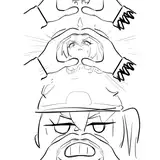
A concept artist in the "Storytelling & Narrative" category crafts visual blueprints for narratives. They transform written scripts into detailed visual sequences (storyboards) for films and TV, design cinematic visuals for video games, and create engaging visual sequences for comics, ensuring that the story flows cohesively from one frame to the next. Their art serves as a foundational guide for directors, animators, and other creative team members to bring stories to life.
Often, the concept artist position in this field is less common due to overlapping roles, the multifaceted skills of animators and directors, traditional practices where artists conceptualize visuals, budgetary constraints in smaller projects, and the rapid transition from concept to execution inherent to some storytelling formats. Understanding the role of a concept artist in this domain and who often fills the position provides insight into the competitive landscape. Nevertheless, it's worth doing thorough research for any specific case you're considering. There are opportunities where we least expect it.
Now that you have an idea about the concept artist's role in this sector, it is essential that you conduct proper research by asking questions and answering them based on personal analysis. Here are some suggestions:
Questions to Ask (feel free to ask more):
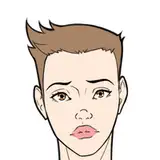
A concept artist in character design crafts visual identities for beings within a story, whether they're heroes in a video game, mascots for a brand, or characters in a book. They interpret written descriptions, evolving them into vivid illustrations that capture a character's essence, emotion, and role. This demands not just artistic skill but a deep understanding of narrative, culture, and psychology to ensure the character resonates with its intended audience.
Challenges often arise from aligning a character's design with a story’s evolving needs, ensuring originality, and maintaining consistency across various media or adaptations. Balancing a character's relatability with uniqueness, especially in saturated markets, pushes a concept artist's creativity and adaptability to its limits.
Questions to Ask (feel free to ask more):
1. Foundational Knowledge:
- What are the key visual techniques employed in effective character design?
- How does character design differ between films, TV, video games, and comics?
2. Portfolio Presentation:
- How can a portfolio effectively showcase the ability to transform written descriptions into vivid, emotionally resonant illustrations?
- What's the ideal balance between close-up shots, showcasing intricate design details, and full-body illustrations that display overall character posture and dynamics?
- Given the importance of story alignment, how can I best include brief narrative contexts or backstories alongside my designs without overwhelming the viewer?
3. Industry Research:
- Which primary sources, such as films, TV episodes, or video games, should I analyze to understand character design?
4. Depth of Skill:
- How can I effectively use shapes, colors and values techniques to emphasize a character's personality or background?
- What range of emotions and poses should be included in the portfolio to showcase the depth and versatility of character designs?
5. Understanding of Narrative and Context:
- How does one ensure that a character's design remains consistent across different adaptations or platforms, while still evolving with the narrative's needs?
- What strategies can be employed to ensure a character's design is both original and yet aligns with a story's demands?
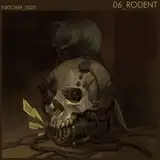
Concept artists specializing in environments craft the backdrop against which stories unfold. From the sprawling landscapes of video game worlds to the intimate interiors of a film scene, they design settings that immerse an audience and complement narrative arcs. These artists weave together geography, architecture, and culture, ensuring that every visual detail, whether a grand cityscape or a solitary lamppost, tells a story.
Challenges in this domain often involve ensuring that environments are not only visually striking but also functional for narrative needs. They must anticipate how characters will interact with the setting and ensure continuity and logic in design. With the rise of immersive media like VR, the demands for intricate and interactive environments have grown, challenging artists to think in multi-dimensional spaces.
Questions to Ask (feel free to ask more):
1. Foundational Knowledge:
- What principles guide the creation of cohesive and immersive environments in concept art?
- How do you integrate natural elements with man-made structures to maintain environmental realism?
2. Portfolio Presentation:
- What sequence or layout maximizes the impact of environment art pieces in a portfolio
- Which pieces are most effective in demonstrating variety: wide landscapes, detailed structures, or micro-environments?
3. Industry Research:
- What are the current industry standards and trends in environmental concept art for leading film and game studios?
- Who are the key influencers in environmental design, and what can be learned from their approaches?
4. Depth of Skill:
- How do you demonstrate versatility in crafting both large-scale landscapes and intricate detailed locales?
- What techniques do you employ to depict different environmental conditions, such as desolation, abundance, or urban decay?
5. Understanding of Narrative and Context:
- How do you ensure an environment aligns with and enhances the overarching narrative of a project?
- How do you adapt an environment's design to cater to the cultural and historical context of a story?
In the realm of product and object visualization, concept artists bring innovation to life. They visualize the aesthetics and functionality of products ranging from toys and collectibles to vehicles and consumer goods. Their designs often bridge the gap between creativity and functionality, ensuring products are not only visually appealing but also practical. These artists work closely with product developers, engineers, and marketers to align their visual concepts with manufacturing feasibility and market demands.
The challenges here are multifaceted. Artists must stay updated with evolving consumer trends and technological advancements. Balancing aesthetics with manufacturability can be a tightrope walk, requiring an understanding of materials and production constraints. Moreover, ensuring that the design communicates the product's intended use and resonates with the target audience is paramount to the success of the final product.
Questions to Ask (feel free to ask more):
1. Foundational Knowledge:
- What fundamental principles guide the design process when visualizing consumer products for manufacturability and aesthetics?
- How important is it to have knowledge of materials and their properties when conceptualizing a product design?
2. Portfolio Presentation:
- What is the ideal layout for a product design portfolio that effectively showcases versatility in product types and materials?
- How can an artist effectively illustrate the evolution of a product design from initial sketches to finalized renderings in a portfolio?
3. Industry Research:
- How do industry trends and advancements in manufacturing technology impact the direction of product design?
- Which companies or designers are at the forefront of product and object visualization, and what innovative strategies are they employing?
4. Depth of Skill:
- How do you demonstrate your capability to design for a diverse range of products, from everyday items to specialized equipment?
- What techniques are essential when visualizing a product's functionality in addition to its aesthetics?
5. Understanding of Narrative and Context:
- How do you ensure a product's design communicates its primary function and resonates with its intended user demographic?
- How do cultural and regional nuances influence the design and perception of a product, and how do you incorporate that understanding into your visualizations?
In the world of User Interface & Interaction, concept artists are the visual architects of digital landscapes. They design the aesthetics and layout of interfaces for games, apps, websites, and other digital platforms, ensuring that the user's journey is both intuitive and visually engaging. Their work shapes how users interact with software, making their designs a blend of beauty and functionality. Beyond just creating appealing visuals, these artists also focus on user experience (UX), ensuring that elements are placed logically and consistently across interfaces.
Challenges in this field are unique. With ever-evolving technological advancements, artists must stay updated on the latest design trends and tools. They also grapple with the challenge of creating designs that cater to diverse user behaviors and preferences. Additionally, with multiple screen sizes and device types in the market, ensuring consistency and adaptability across platforms is a demanding task. Lastly, aligning visual design with the functionality defined by UX designers and developers is a continuous collaborative endeavor.
Questions to Ask (feel free to ask more):
1. Foundational Knowledge:
- How do the principles of graphic design translate and evolve in the realm of user interface design?
- What role does psychology play in shaping effective and engaging user interfaces?
2. Portfolio Presentation:
- In showcasing UI/UX work, how do you differentiate between designs that were guided by aesthetics versus those driven by user feedback?
- What elements should be highlighted in a UI portfolio to demonstrate the perfect balance between user experience and visual design?
3. Industry Research:
- Given the multitude of devices today, how do you stay informed about the diverse design requirements for each platform?
- Which successful apps or platforms best exemplify the union of intuitive UI and flawless UX, and why?
4. Depth of Skill:
- How do you approach the challenge of designing interfaces that cater to both tech-savvy users and complete beginners?
- How do you approach adapting UI elements when confronted with unexpected user behaviors or feedback?
5. Understanding of Narrative and Context:
- How do you align the visual narrative of an interface with the overall branding and mission of a product or company?
- In designing for a multicultural audience, what considerations come into play to ensure broad accessibility and understanding?
.
Conclusion
In conclusion, knowing what you're up against as a concept artist in different fields will help you set clear goals and stand out. It's not just about being good at technical skills; it's about knowing your role in the bigger picture and how you can bring real value as a creative. Next week, I'll talk about what to do with all this info, depending on where you want to go.
Tomorrow, I'll be sharing the process video of this piece along with the files and insights. They will be available for Mastering Maestro tier and above. Feel free to upgrade if this tickles your fancy! ;)
Welcome to all new patrons!. Drop any questions here in the comments, via DMs here on Patreon, or in our Discord group. I'll be more than happy to answer and track your progress.
If you found this article useful, please drop a like or a comment! I appreciate the feedback and criticism as well, as I strive to improve and provide you with the best.
For more information, check out our Patreon FAQ: https://ramonn90.myportfolio.com/faq and Patreon Catalogue: https://ramonn90.myportfolio.com/work
Your support makes this content possible! Thank you.
Ramon Nuñez
2023-10-05 09:42:21 +0000 UTCВик
2023-10-04 19:53:44 +0000 UTCRamon Nuñez
2023-09-30 15:25:11 +0000 UTCAndy M
2023-09-28 10:24:03 +0000 UTC