Hey everyone,
Communication isn't as simple as it looks. When we're hired by clients, we are under the pressure of expectations, and we aspire to deliver our best. However, this pressure can sometimes hinder us from accomplishing our tasks. Today, I want to share some simple tips that can help you avoid potential issues with your clients.
The other day, I shared a slight hint about this subject on Twitter. Here's the tweet:
"When not knowing what to present to a client, try to sketch these three proposals:
1. Exactly what they said they want.
2. Your own interpretation of what you think they want.
3. An insane idea you like.
In the last one, you might get a "WTF, let's do that," or "We cannot do that." Either way, you are doing your job, which involves listening and being creative."
This simple idea summarizes the context of today's article: how to address a client's needs and expectations. Let's delve more into this subject."
During this phase, you'll usually receive a brief from your client, outlining the specifics of the task they want you to undertake. If possible, jot down what they expressed as their needs. If it was a conversation, note down your interpretation of their needs. If it's an email or a document, again, try to write down your interpretation. Once done, send them this summary and ask if it aligns with their expectations. This may seem tedious but some clients struggle to articulate their ideas. So, before you start the actual work, make everything as clear as you can to avoid wasting time.
Once you understand your client's expectations, work towards the strategy I previously shared. This approach will help you address your client's concerns and also provides an opportunity to surprise them with something original from you.
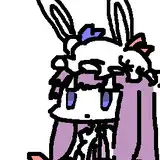
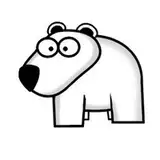
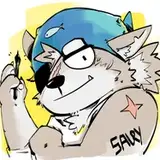
Today's illustration addresses part of the challenge of executing different ideas. Still, I would recommend a more efficient and straightforward approach for your concepts.
Shape Variation (Ideas)
Visual variation can come in different forms, like colors and values, but shapes are usually the most apparent distinction between concepts, in this context "characters". Based on the task description, think about how each character's shape can be totally different from the others. At first, don't focus on the details inside this shape but instead how these shapes would be read from a distance for easy recognition.
This contrast in shapes will offer the client a whole range of views they weren't picturing before. You can play with values and colors later if you have time, but ensure your shapes are different enough from each other.
No Color (Time Management)
If I have time after addressing several proposals, I like to add colors and also add some shading into the concepts, but if not, I prefer to keep grey shapes. This is just to differentiate the object from the background and perhaps distinguish shapes inside the object or character.
This shape distinction made by flat values helps the client fully understand your idea. Sometimes, we assume it's very clear, but they may not comprehend what seems apparent to us. Spending too much time on extra info might be a mistake; if you have extra time, spend it making another proposal. Once that phase is approved, you can play around with colors.
Tomorrow, I'll share more about this process along with the PSD and Process video for you to explore this approach of multiple characters in a single composition and also character exploration for concept.
Conclusion: Keep it simple. Make everything as clear as you can before jumping into the task. Have an organized plan and provide different ideas during the execution. It's not about visual perfection, but the ideas you have that are good enough to be understood.
.
Welcome to all new patrons! Feel free to ask any questions here in the comments, via DMs on Patreon, or in our Discord group. I'm here to help.
For additional information, visit our Patreon FAQ: https://ramonn90.myportfolio.com/faq and Patreon Catalogue: https://ramonn90.myportfolio.com/work
This content is posible thanks to your support!