(Timeline Tuesday #139)
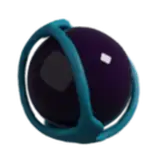
For as unique as they are, pillbugs hail from a surprisingly close timeline. These creatures are small insects with semi-oval, pill-shaped bodies that measure approximately half an inch long. They have ten pointy legs, five on each side, which carry them across various surfaces in a slow, crawling wave. The front of a pillbug hosts eight yellow eyes and a small mouth, and their color depends on the specific breeding circumstances of each creature. They are always divided into two hues, which correspond to the pillbug’s chemical properties.
Pillbugs are miraculous creatures, capable of accomplishing something through sheer natural biology that most scientists could only dream off. This process occurs when pillbugs are in the egg stage of their lifecycle. During this time, pillbugs will take up the chemical properties of anything their egg is physically placed against. When the creatures mature, the capsule of their body will be filled with this substance, and their coloration will denote the compound with very specific and precise shades.
In the wild, this will often create simple pillbugs filled with the dust of refined wood, metal or dirt. However, in a laboratory this ability yields incredible results. Through selective egg placements, scientists are capable of cultivating prohibitively expensive drugs for a fraction of the price.
Still, there are some issues with this method. Many find the thought of eating small insects a repulsive prescription, and some vegetarians and vegans do not use this method on moral grounds. There has also been significant pushback from profit-driven drug companies regarding the safety of pillbugs, but their claims have proven unfounded. Regardless, pillbugs have been an enormous blessing to our timeline.