(Timeline Tuesday #11)
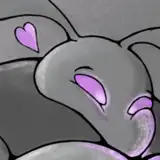
Borps are a strikingly unique species that are difficult to classify in terms of the natural fauna of our timeline. The bodies of these organisms are small, about eight inches across, and lacking in shape. They are slimy, violet colored invertebrates that crawl slowly along the ground, using a soft pad to gradually propel themselves forward in a similar method to that of a snail.
The front of a borp’s body is covered by a cluster of small eyes, and the exact placement or amount of these organs can vary from creature to creature. They have no apparent mouth or nose, although careful examination will reveal the organisms consume small organic scraps by sliding over them with their foot pad.
Borps have a single tentacle extending from the back of their body, and what sets them uniquely apart from most other invertebrates is the bone and muscle covered hand resting at the end of this appendage. This hand features four fingers and an opposable thumb, with a striking resemblance to that of a human.
Because of their slow movement and general lack of natural defenses, Borps should theoretically be easy targets for the predators of their home timeline (or nearby realities). They remain safe, however, through a particularly rare method of evolutionary protection. Borps use their singular hand to give a sincere thumbs-up to almost any creature they encounter, egging them on as a consistent ally. While Borps cannot communicate complex thoughts, it is their disposition to endlessly encourage.
When faced with two opposing but equal sides, Borps will typically offer a thumbs-up of encouragement to both. They will never offer a thumbs-down, but in the presence of something flagrantly immoral or unkind they will retract their appendages and stop their encouragement, gradually wandering away.
The overwhelming positivity of Borps makes them a welcome addition to any timelines they wander into, and has allowed the species to thrive.