Historical Underwater Habitat Showcase, Part 1: Hydrolab
Added 2018-12-27 01:03:32 +0000 UTC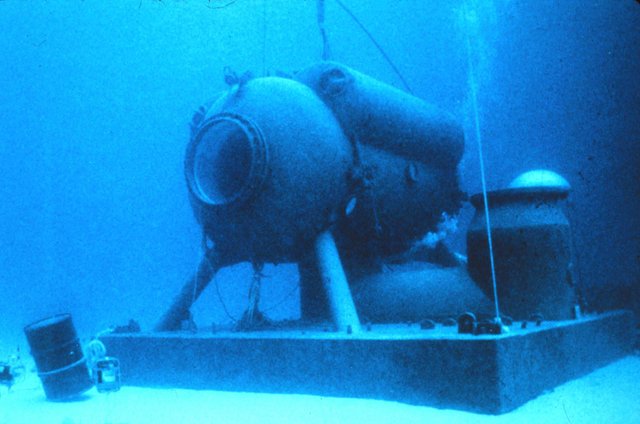
This is something I've been meaning to get to for ages, but haven't found time and space for until recently. Some of this info can also be found on the Blogspot page if you really dig, but enough people said they wanted to read it here in the Youtube comments that I figured I'd dig it up myself, polish it and present it nicely for my Patrons.
Plenty of people know about the history of manned spaceflight in great detail. What very few know is that there have been over 70 manned undersea structures (in a fixed spot on the sea bed, with no propulsion, which differentiates a habitat from a submarine) in history so far.
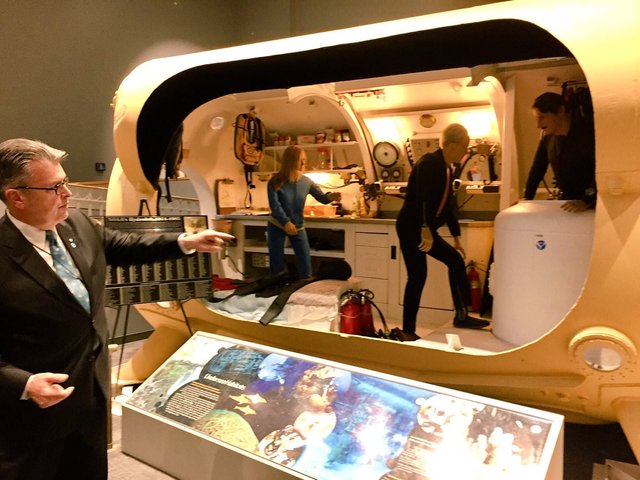
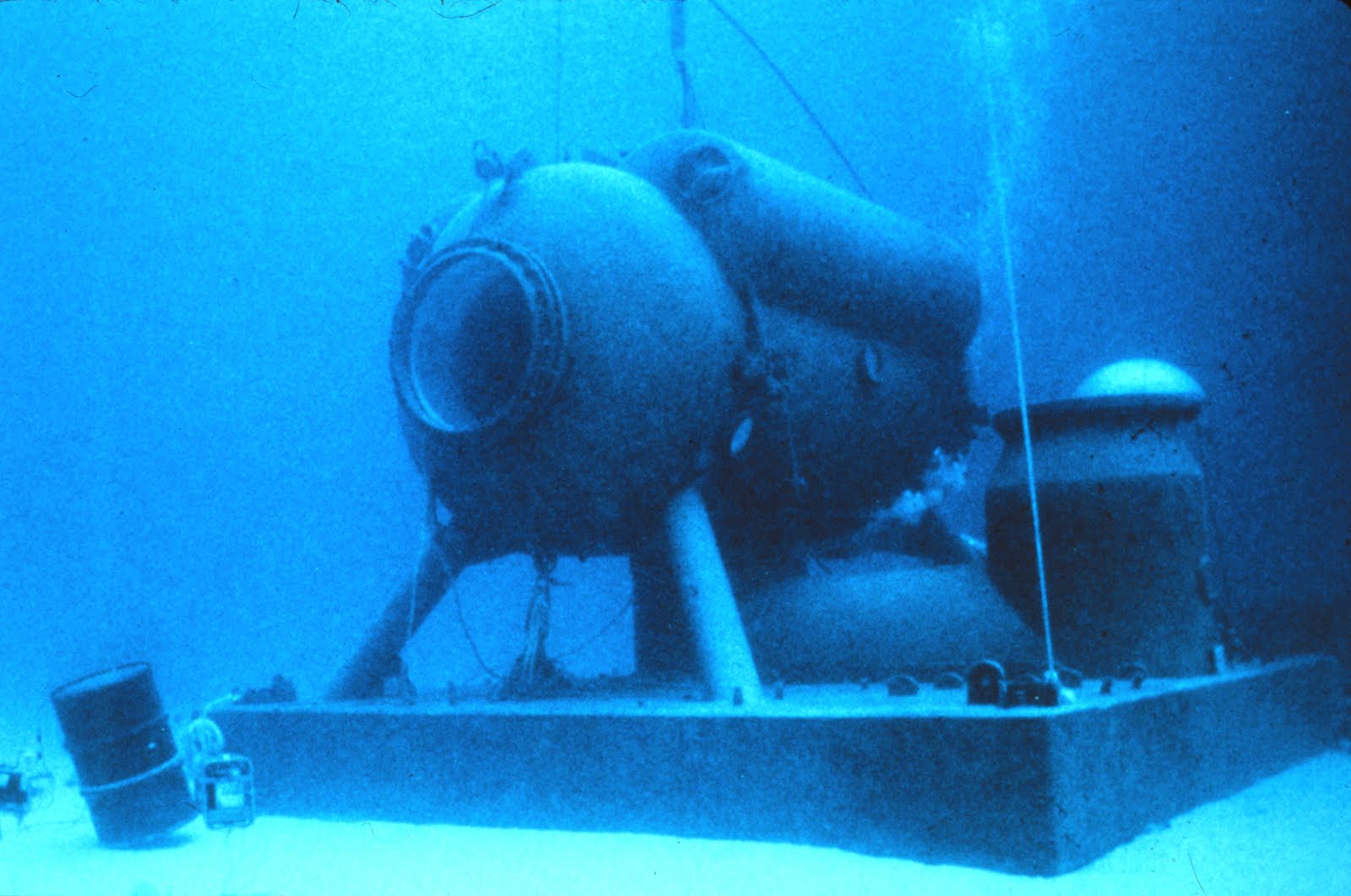
Hydrolab was NOAA's first undersea habitat. It was infamously small, and resulted in many important findings that informed the design of its bigger brother, Aquarius Reef Base (which I will cover in the future). For example, initially it was attached to the weighted base plate by chains.
However this permitted the habitat hull to sway in currents, making the inhabitants seasick. So it was hauled up out of the water and rigid supports were welded on, firmly attaching it to the base plate, eliminating the problem. Being a prototype in many ways, Hydrolab had many other unique features.
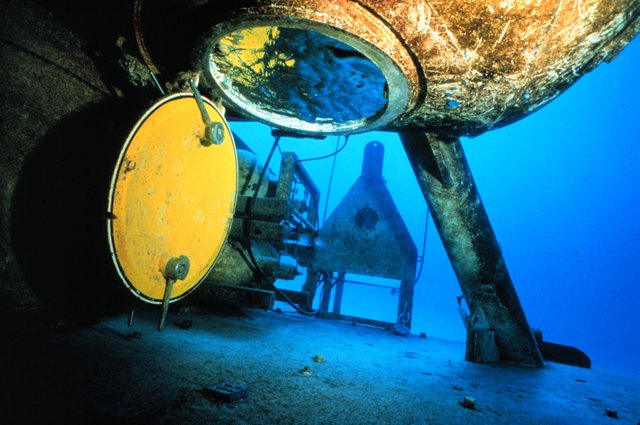
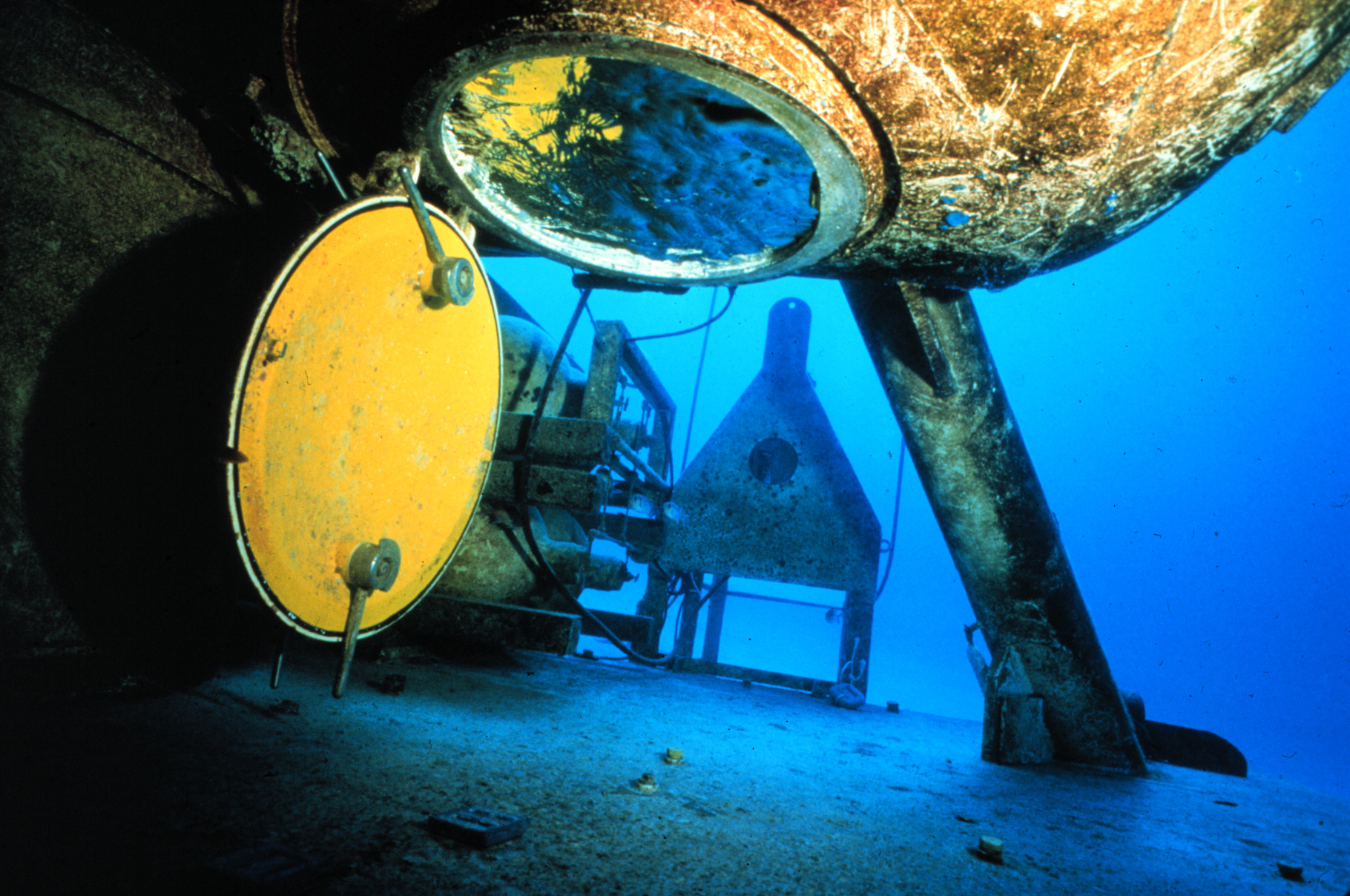
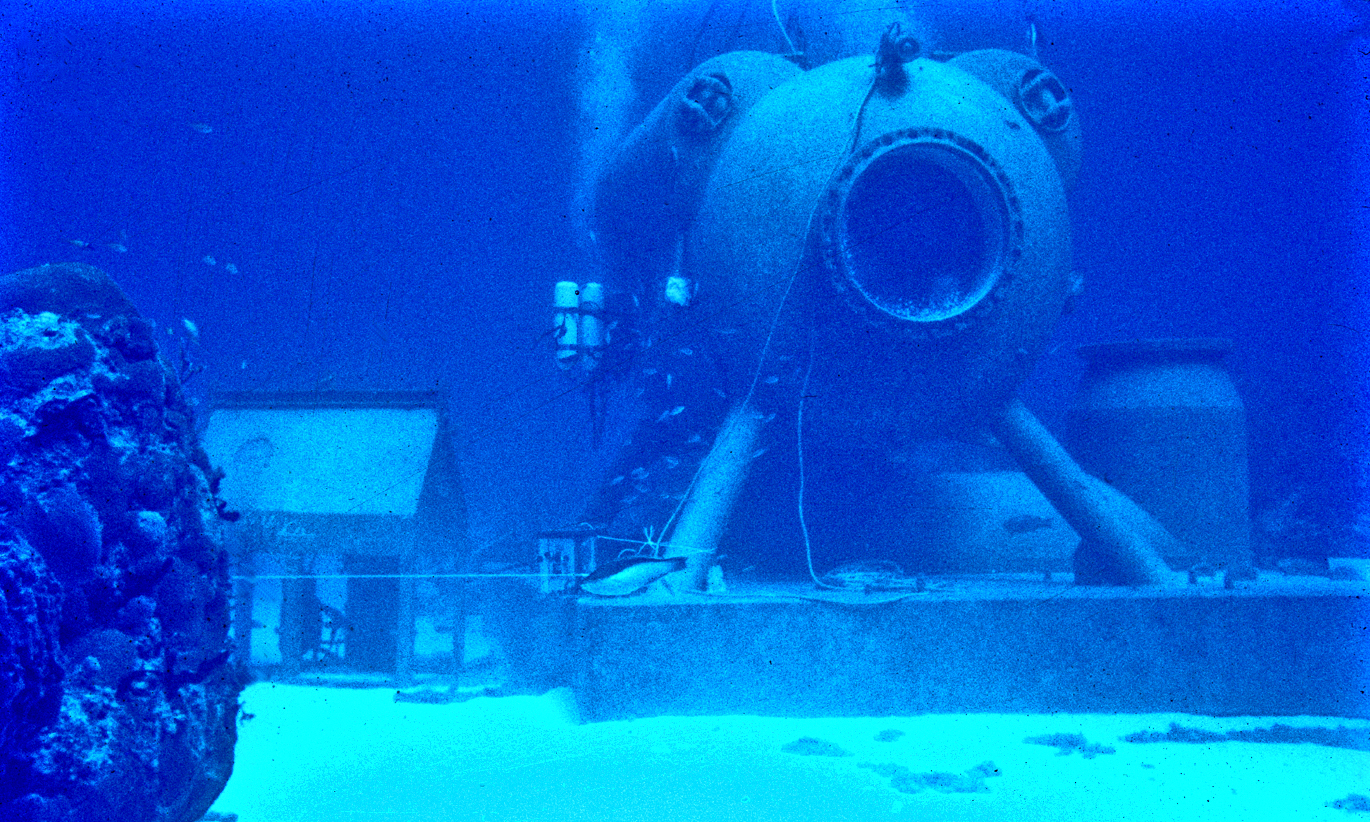
Although the Hydrolab interior was accessible to divers by the standard moon pool (seen above), it also had the first airlock in a structure of its kind (called a "lockout chamber" because it locks out water rather than locking in air) that permitted the Hydrolab interior to be kept at one atmosphere if desired.
It also had a secondary means of access, a docking collar that allowed a submersible to mate to it and transfer dry goods and personnel between the sub and the habitat in a continuous, uncompromised 1 atmosphere environment.
This made it the only habitat which was designed to dock to a submersible, a capability found today only on nuclear submarines and industrial diving bells. Another first (and only) was that Hydrolab once was powered for three days without any surface support except the air compressor buoy. All electricity for those three days came from a one of a kind submersible fuel cell that was emplaced on the seabed next to Hydrolab.
The intent was to move towards a future in which habitats like Hydrolab would receive no support from the surface, but rather have everything required to make the electricity, fresh and and fresh water they needed right there on the ocean floor.
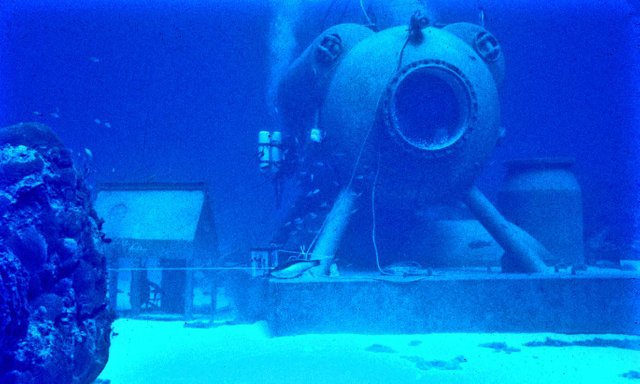
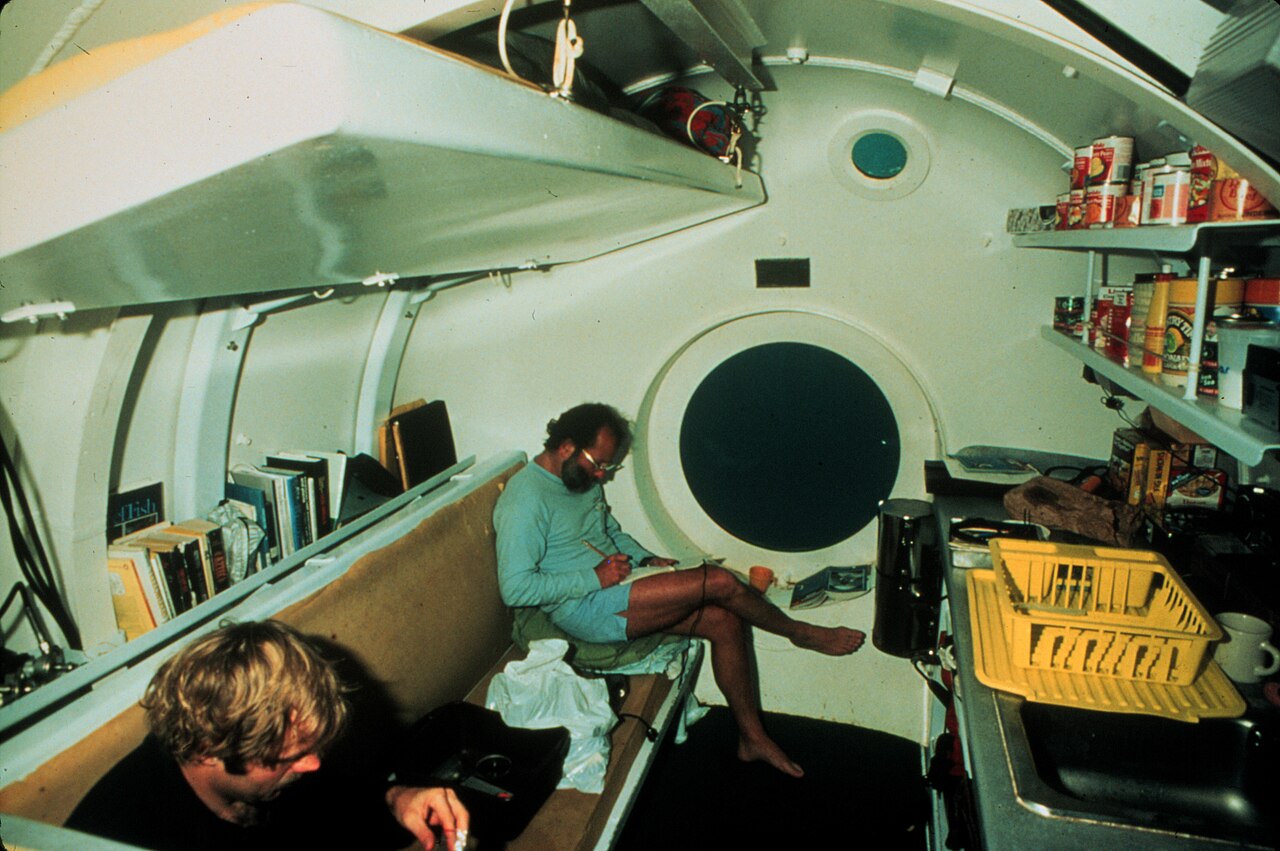
In the above photo you can see the docking trunk which was used to receive the submersible, also visible in the first photo. To call Hydrolab austere, despite it's impressive capabilities for such an early effort, would be an understatement.
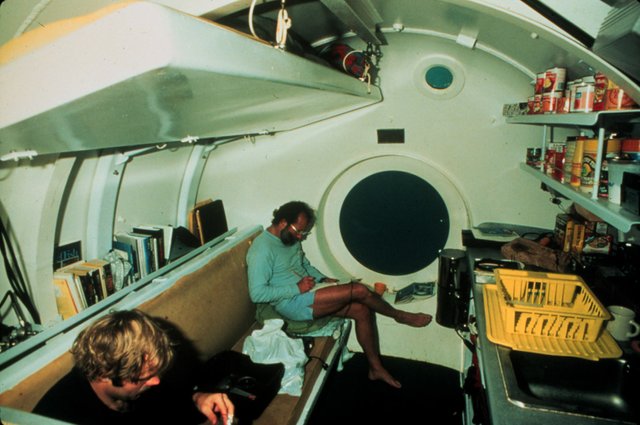
It was big on technology but small on creature comforts. Still, what a unique type of coziness to be one of these pioneering early aquanauts. Taking your place in history, staking out a place for humans where it should be impossible to live.
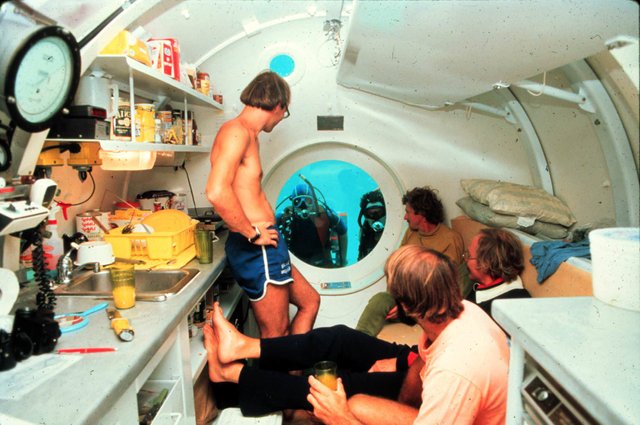
Hydrolab was constructed in 1966 and missions began in 1970. It hosted 180 missions in all, and was decommissioned in 1985. A long and illustrious career, but sadly like every other habitat, it could not simply be left on the ocean floor. It was recovered and now resides at the NOAA headquarters, having been converted into the cutaway museum style display in one of the pictures above.
A better fate than many historical habitats, most of which were cut down to scrap metal and sold off to recoup some of the cost of building and operating them in the first place. Still, Hydrolab was NOAA's first habitat but not their last, and the Aquarius Reef Base which replaced it improved upon Hydrolab in every respect.
More to come! There's been a surprising number of these structures so far, though almost all of them were built between 1965 and 1980, the golden age of undersea habitation. There's still some activity in this area today, just less of it. Those modern habitat projects will also be covered here in the future, not to worry.