Everything Everywhere Once A Week (7/14/2023)
Added 2023-07-15 02:13:15 +0000 UTCHello and welcome to Everything Everywhere Once A Week, a weekly newsletter about the goings on in the video game industry over the last week. Apologies for the really scattered cadence lately. Turns out planning a wedding, shipping a game, and writing a book all simultaneously tends to just eat up whatever time and brain power one has left. Add to that, I’m also working on a long piece that I’m intending to drop on this Patreon soon and it’s all kinda fallen by the wayside. Still, this will be a good week to do this newsletter as a lot happened and I’d like to talk about it.
Everything Seems Green for Microsoft’s Acquisition of ABK
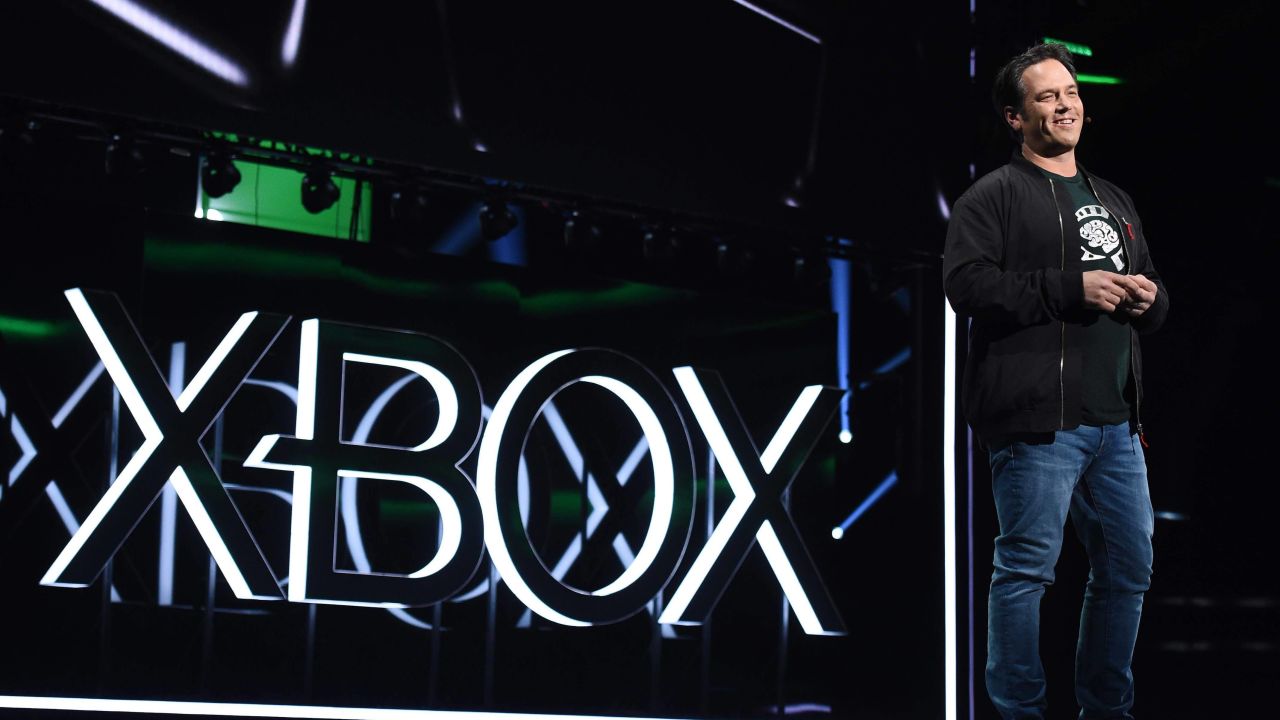
This week, the FTC officially failed to make its case for stopping Microsoft’s acquisition of Activision-Blizzard-King, a 68 billion dollar deal that has been roughly a year-and-a-half in the making publicly. The judge in the case seemed to agree with some of what the FTC was arguing, but they failed to make the basic argument about consumer harm beyond harm to Sony. Which is, well, true, the FTC made a pretty bad argument all around and not for a lack of arguments to make.
There’s good and bad things about Microsoft buying Activision-Blizzard, but you don’t have to dig particularly hard to find the bad things. They’re just not legally relevant at an injunction hearing. This is an escalation of an arms race that is going to make the industry materially worse for both the people making video games and the people playing them. It makes the entire industry smaller — not by inches, but by leaps and bounds. Consolidation, even for immediate gains, creates bigger behemoths that are harder and harder to topple when those gains become unrealistic or unfriendly for the consumer and that’s a problem, just not one that can be articulated as a legal argument.
Not that the FTC tried, nor would they have succeeded if they did. All that said, I have seen more than a few people act like the FTC case — or even all regulatory pressure, for that matter — has been unnecessary or a waste of tax dollars. Many of these same people point out that the things Xbox has been promising, like Call of Duty on more platforms and a larger reach for their cloud service, would be great for gamers and that agencies like the FTC are stopping these things from happening. That is, I think, incredibly untrue. Those concessions only came about because Microsoft was desperate to pre-empt regulatory concerns.
In a world where there would be no issue from the governments of the world with Microsoft gobbling up the publisher of the best-selling third-party game in America every year, I do not believe that we would see Switch versions or even PlayStation versions in perpetuity. I fully believe that, capitalism being what it is, they would have very little interest in making sure other platforms could share in Call of Duty, much like they’re doing with Bethesda. So maybe keep the roll eyes emojis in your pocket over regulation even when it comes to your favorite video game companies.
This is, in theory, the last time we will talk about this acquisition until it goes through, as it’s likely that Microsoft will make a deal with the CMA and close the sale by next week. It’s been an exhausting process to talk about and analyze, so we no longer have to talk about it as a process and can talk about what will result from it.
We know that it’s unlikely at this point for Microsoft to withhold Call of Duty from PlayStation, which begs the question of how they do leverage this massive buyout for their own benefit. Game Pass would make the most sense, as a (by all appearances) “free” Call of Duty sitting right next to a $70 version on PlayStation 5 makes a strong argument in favor of playing the game on Xbox, along with all your friends. Though I actually don’t expect to see Call of Duty sales on PlayStation 5 dip all that much. Assuming the Switch versions are anywhere near decent, they should make up for any dips that may occur, but I think people that like playing Call of Duty on PlayStation will probably just continue to do so.
Microsoft also now has a plethora of old IP from Activision that they’re sitting on and will no doubt be endlessly criticized for doing nothing with. Do they rearrange the entire Activision development structure to get Call of Duty off its yearly schedule and free up Toys for Bob to make more Tony Hawk games? Is that a good use of 70 billion dollars? Do they assign those IPs to other internal studios? Is that a good use of 70 billion dollars? Do you rock the boat at all?
I suppose the biggest pressure on Microsoft after this deal closes is that there’s no longer any excuse for Activision to be a shitty workplace anymore. One of the frequent calls for urgency from the gaming fanbase has been that Activision is, at its best, a bad place to work, and Microsoft acquiring them will clean that up. The “day two” question now is: how? When? Are there plans to remove Kotick? If so, when? If not, why? If so, how much of a golden parachute does he get on the way out? Is Ybarra still running Blizzard alone? Are studios going to be audited one-by-one? Does a Microsoft that historically has not used a heavy hand when dealing with their acquired studios have it in them to clean up the bad studio heads and shitty legacy leadership that invokes stacks of complaints already?
Do they have it in them to proactively investigate and clean up the studios where people have been too afraid to complain?
These are questions that still need to be answered and I’m not super inclined to give them an excessively long grace period on it. If you’re going to make the industry that much smaller under the guise of being welcomed as liberators, then action has to start from day one. We’ll see how it goes, but I think if Microsoft were expecting their feet to no longer be held to the fire now that the deal is closing, I hope the gaming community has it in them to prove the platform holder wrong.
We’re Going to Need the WB Warning for Games

I’ve been sitting here trying to figure out how to start writing this topic for about ten minutes now and I feel like maybe the best way is to just post this video.
https://www.youtube.com/watch?v=3sa48rbFzws
This week, Limited Run Games announced that they were remastering the Gex trilogy from the late 90s for modern platforms. If you are not familiar with Gex, he is an avatar of the changing times from the cutesy Mario platformers to edgy stand-up comedian humor platformers. Gex, voiced by writer and general comedian Dana Gould, traveled through levels based around movie and genre parodies with all the grace of a cow on skates — a metaphor that itself would probably fit in pretty well in the game. The video above is pretty much all you need to watch to see how well this aged.
I bring this up because I was thinking recently about the WB warning, which is placed before a lot of older cartoons in modern releases, such as streaming. Things like Bugs Bunny getting real racist about the Japanese were, well, still pretty racist at the time. It’s easy to say they were a product of their time, but also the time was racist, even by its own standards. WB, rather than editing that stuff out or not streaming it, puts a warning explaining that these depictions were wrong then and are wrong now and it makes sense to show how wrong they were in the right context.
I wonder if Limited Run Games is thinking about putting something similar in front of something like Gex. Moreover, I wonder if that is a thing we should start thinking about as the clamor to re-release older games gets justifiably louder (a study from the Video Game History Foundation found that 87% of classic games are not available today). Like, as much as I love Punch-Out, maybe we need to talk a little bit about that thing in the right context!
Anyway, I encourage people to ask LRG how they’re planning to handle things like that. I’m genuinely curious.
Other Things:
- I’m playing FFXVI and really digging it, but hey, why is it every woman who is clearly a great fighter only gets awakened to their powers when threatened with sexual violence? Granted so far it’s only been two in a row but that’s, like, a lot to have in a row.
- Ghost Trick is still a 10/10.