VL:
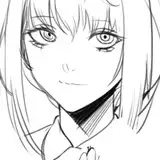
The Way, a 937-page gnostic guide to tradecraft with a distinctly theological bent, was published in 2027 CE. The image above may be found on page 455, one of several illustrations in the chapter "Reading the Room."
Exhaustively analyse this photograph.
-
ChatGPT:
The photograph in question is a compelling example of portraiture. Let's proceed with a meticulous analysis:
Composition:
Foreground Focus: The image predominantly centers on the woman in the forefront. The shallow depth of field ensures that she remains the primary subject, drawing our attention immediately to her facial features.
Background Blur: Those in the background are blurred, emphasizing the woman as the main point of interest. This blurring serves as a reminder that while they may be part of her narrative, they don't share her immediate significance.
Central Positioning: The woman is situated centrally, but not symmetrically. This could suggest her importance and authority, yet with an added nuance, perhaps implying complexity or multifaceted nature.
Subject Analysis:
Expression: The woman's expression is neutral but intense. There's a discerning, possibly evaluative look in her eyes, one that gives off an air of confidence. The slightly raised eyebrows might indicate curiosity, alertness, or surprise.
Apparel: She's dressed in a garment that looks formal, perhaps a uniform, indicated by the labeling and zipper details. The design and fit are pragmatic, suggesting functionality over aesthetic appeal.
Surrounding Characters: The blurred figures appear to be military personnel, judging by their attire. This could hint at a hierarchical setting or an environment where power dynamics play a crucial role.
Contextual Implications:
Connection to Text: Given that this image was published in a chapter titled "Reading the Room" of a gnostic guide to tradecraft, it's plausible that it serves as a visual representation of discernment. The woman might be a figure who's adept at gauging situations, picking up on nuances, and adjusting her strategies accordingly.
Theological Implications: Given the book's theological bent, one could draw spiritual parallels. She might embody the idea of being 'in the world but not of it', a principle found in many religious texts. Her distinctness from her surroundings might mirror the spiritual journey of being set apart or having a unique calling.
Color Palette:
The photograph uses a muted color palette with natural tones. There's a blend of beiges, greens, and blues. This could convey a sense of authenticity, grounding the image in a realistic setting. The somber tones might also underscore the gravity of the situation or environment.
-
VL: Ask a series of questions about gnostic theology and statecraft inspired by a detailed analysis of this image. These should be presented in three goups, with each group consisting of a primary question and a series of related sub-questions. All questions should be complex and pitched at students who have read and understood the book's first 454 pages.
-
ChatGPT:
Certainly. Drawing inspiration from the image provided and our analysis, here is a triad of questions concerning gnostic theology and statecraft:
Group 1: The Gnostic Figure in the Realm of Espionage
Primary Question: How does the central woman's presence amidst a military backdrop depict the gnostic idea of an enlightened agent operating within the shadows of the intelligence community?
Group 2: Discernment in Espionage
Primary Question: Given the chapter's title "Reading the Room", how might gnostic emphasis on discernment and intuition be applied to the world of espionage, as symbolized in this photograph?
Group 3: Navigating the Material and the Hidden
Primary Question: How does the image explore the tension between the overt material world and the covert, hidden aspects of espionage, drawing parallels with gnostic themes?
These questions are aimed at fostering a deeper understanding of the interplay between gnostic theology and tradecraft. By juxtaposing spiritual concepts with the intricate dynamics of espionage, students are encouraged to explore the philosophical underpinnings of the tradecraft, as depicted in the image and elaborated upon in the book.