Nerding Day: The Beano Book 1987
Added 2025-10-29 12:00:15 +0000 UTC
When I was a kid, I didn't read comics with any sort of regularity. Random issues midway through runs of series I'd never heard of would simply materialize periodically in unsorted piles, brought home by a parent who presumably purchased them at some kind of bulk comics store specializing in remaindered copies of overprinted and underselling Image titles.
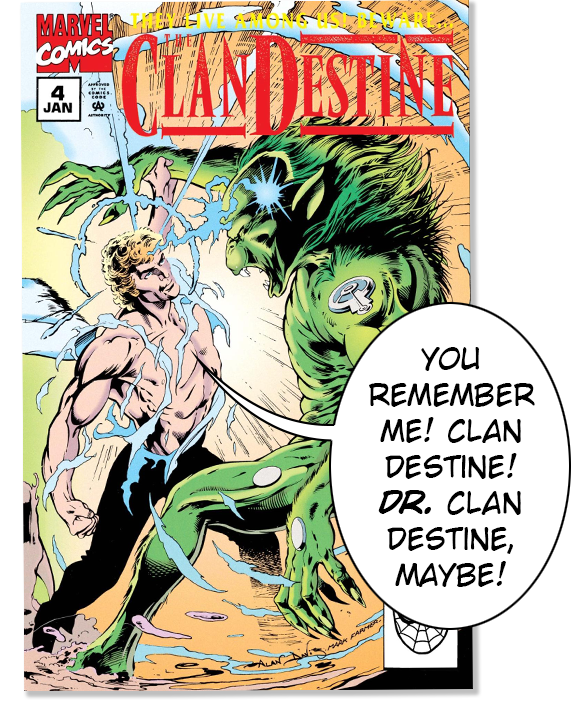
To this day, I have memories of comics whose characters I've never been able to identify, Stormon-esque creations mixed in amongst the Legion of Super-Heroes and ClanDestine floppies. But the weirdness of context-free '90s X-Men imitators paled in comparison to the other kind of comics we got.
See, my mom and her brothers were born in the UK. One or more of them went back on a regular basis to see relatives and recharge their fish and chips meter, and when they returned they would always bring back two things: delicious British chocolate and incomprehensible comics. They contained references to celebrities I'd never heard of, deployed Britishisms I could only guess at the meaning of. Comics like The Beano and The Dandy made me feel completely unmoored from reality, as if I was glimpsing into another world parallel to but distinct from our own — which, of course, I was. It was called "England," and it was a realm of horrors beyond my imagination.
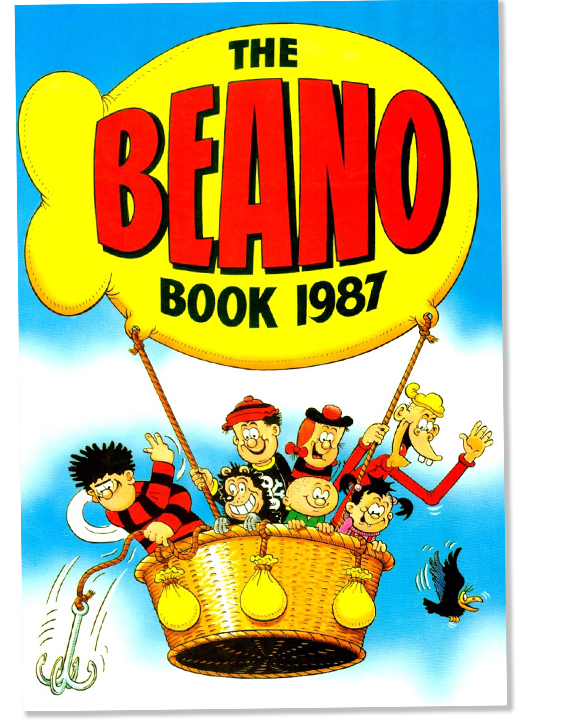
My mother recently made her first trip to Old Blighty in a decade, and she brought back a Beano collection from the late '80s. The combination of my temporal and physical distance from its original publication rendered this book's existence as baffling to me as arbitrary personal prejudices or heterosexual blonde men.
Before we go any further, I should note that in the past, British people have gotten a little testy, or as they say, "chuffed," when I've mocked their distinctive cultural products. And sure, maybe painting a target on Dizzy the Egg is punching down a little.
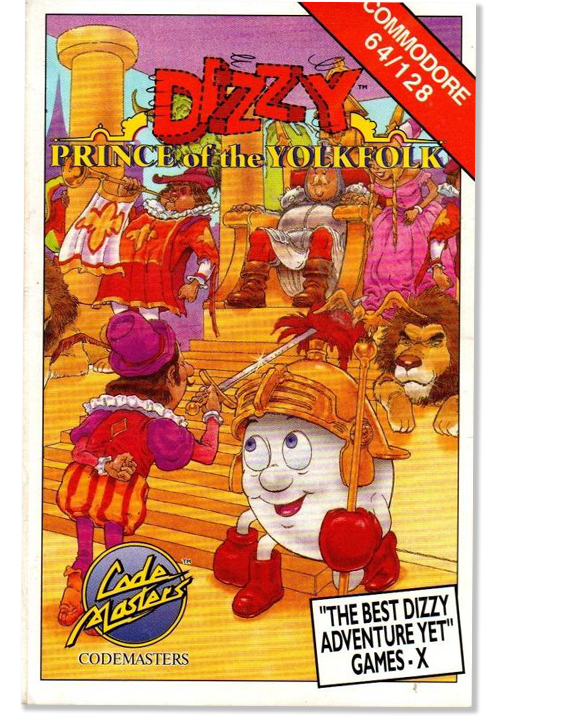
But let it be known that I am legally — if not culturally — a British citizen. I think that means I'm allowed to do this. If you don't like it, then, I don't know, go speedrun the decline of your once globe-spanning empire about it.
Of course, credit where credit's due: the British have a long tradition of comics lunatics producing genre-defining works about future cops and swamp things. But The Beano isn't in that tradition. If I had to identify a target audience for these strips, it would be six year old factory workers with phossy jaw. Here's a section of the inside cover.
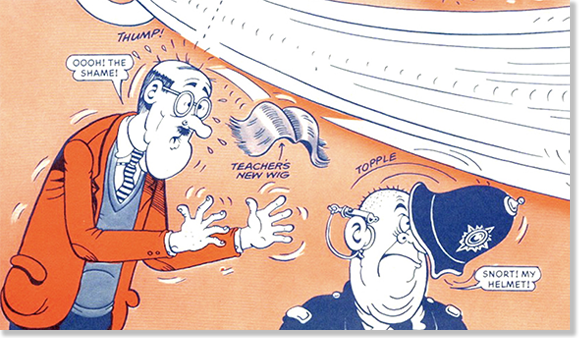
Take in the frequent action words, the ooohs and the snorts, the hideous faces. There's plenty more where those came from. But dead center in this image is the thing that drives me craziest about The Beano: the political cartoon-esque labels for things that need no labeling, unless you're a Victorian child whose skull has been partially dissolved by white phosphorus.
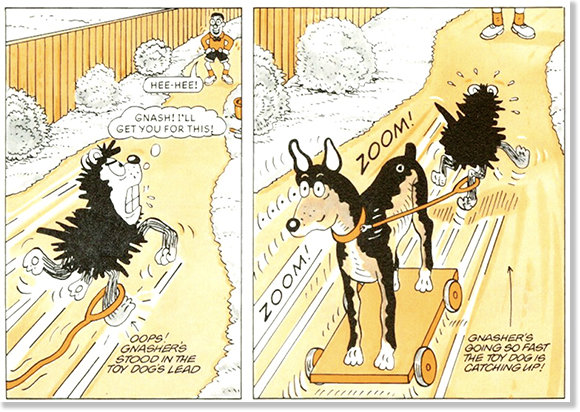
The medium of comics is at its best when it presents an interplay of text and image. Ideally, you don't want to have to explain the image with text as if you were captioning it for the vision impaired. I guess maybe you could argue that these little labels are equivalent to characters narrating their own actions in old superhero comics, but this feels worse than Spider-Man explaining, "That second radioactive spider biting me on the penis just now must have given me the power of web ejaculation!" It speaks to either a deep insecurity on the part of the artist or a terribly low opinion of the intellectual faculties of British children.
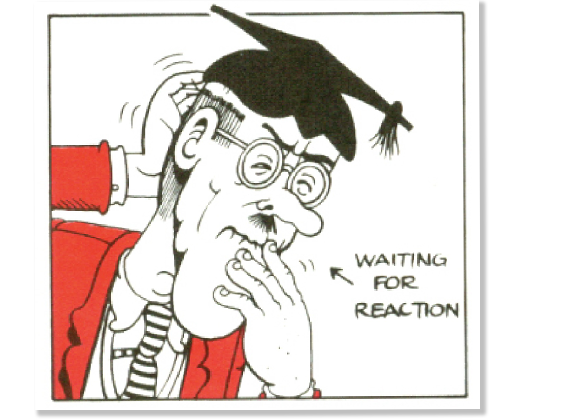
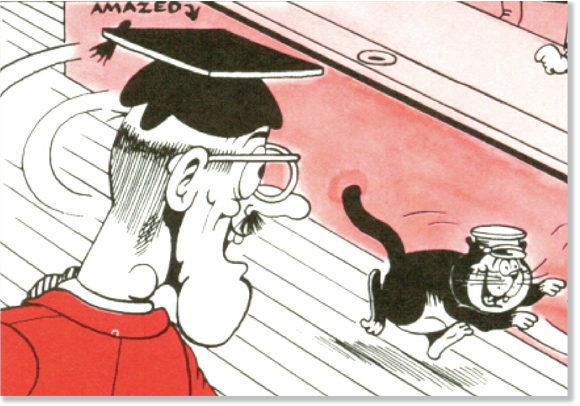
Stop! You don't need to describe your characters' actions in a visual medium! The only explanation I can think of is that they had to include a certain number of words for this to qualify as a book under British law, rather than a sandwich. Zing! Period-appropriate British food joke!
Sometimes, text in The Beano functions as a comedic crutch. Entire strips rely on awkward and senseless phrases to justify outlandish situations. And sure, why go through all the trouble of writing a humorous story with a set-up and punchline if you can just have the characters fuck around for a few pages and then end by scrawling the words "FREE COCONUT OPENING SERVICE" over a child's head?
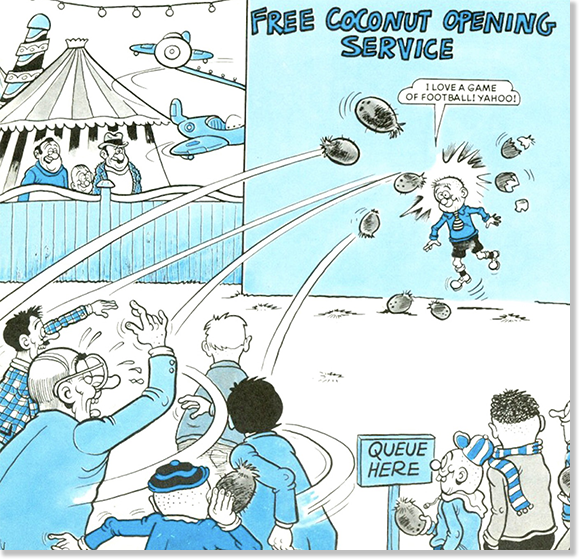
There is no context I could provide you with that would make this panel comprehensible. Smiffy has gotten into trouble at the "funfair" (actually what they call them) as a result of his stupidity. He is punished by being assigned the task of "coconut opener" (free), i.e. head trauma victim. Was there an epidemic of unopened coconuts going around 1987 England? Did they bring them from home or buy them at the fair? If the latter, were they simply sold as is, unopened and unopenable? Or is Smiffy being called in as unpaid child labor, replacing a skilled worker who trained for years to withstand being pelted with tropical fruits? Fuck this garbage country.
That's sort of a high level overview of the Beano, but let's get into the specific characters.

We need to talk about Dennis.
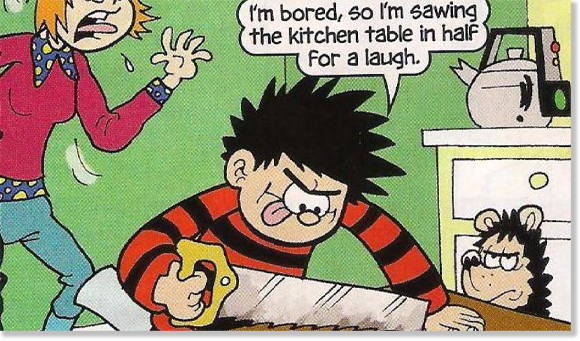
That's Dennis the Menace. I know what you're thinking: "Dennis the Menace is a well-meaning blonde child who causes trouble for Mr. Wilson through humorous misunderstandings, you beautiful genius." Of course, you're right. But we live in a world where miracles are real. The two Dennises were independently launched five days apart in 1951. And whereas the American version represents a nation's automythological understanding of itself as a kind-hearted, if sometimes blundering force for good, Britain made Dennis into an avatar of its collective id. Dennis the Menace is a card-carrying member of the Anti-Object Task Force who enacts destruction simply because he can.
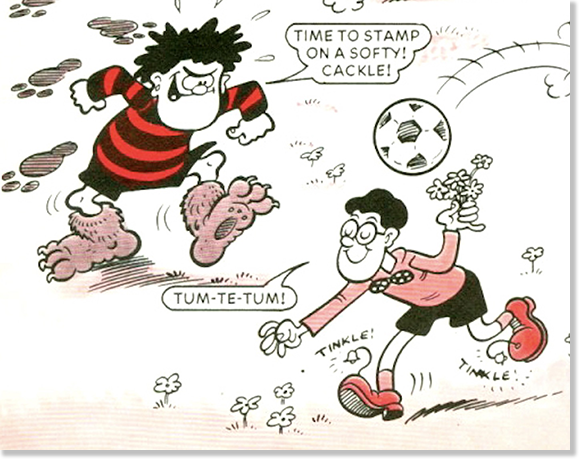
His nemesis is not an older neighbor played by Walter Mathau, but a polite, gay-coded nerd who is, bizarrely, named Walter (the Softy). I think they eventually changed the dynamic or retired the character, but Walter does at least get to fuck with Dennis sometimes.
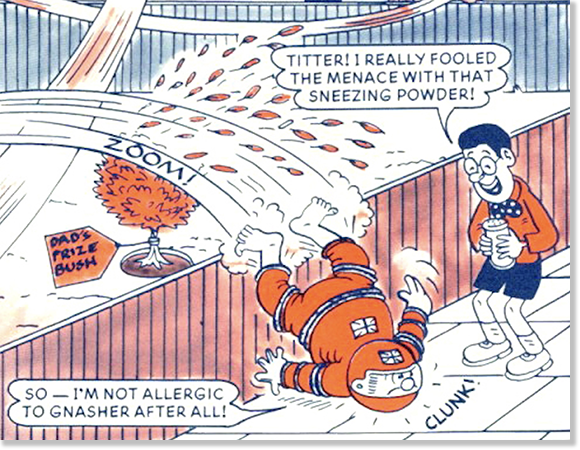
Also, keep in mind that this book is from 1987. That means any kids who read it growing up and identifying with the gay-bashing, table-sawing Dennis the Menace probably died in Tony Blair's oil wars a decade and change later (Dad's Prize Bush).
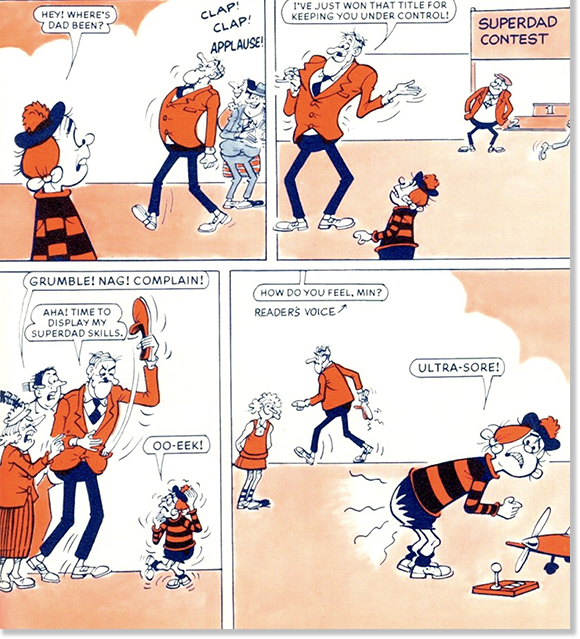
A huge number of characters in The Beano are just Dennis variants. Minnie the Minx is Dennis as a girl. She minxes instead of menaces. Also, a recurring plot point is that her father beats her.
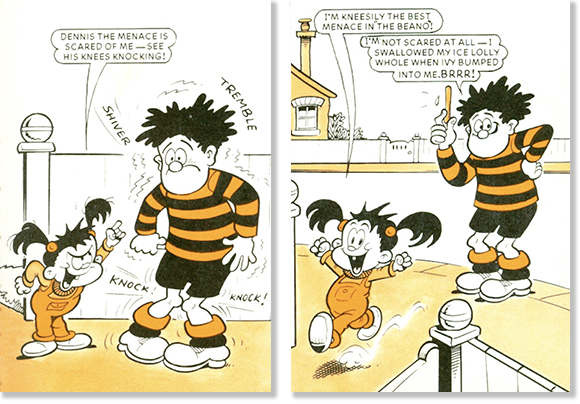
Ivy the Terrible is Dennis if he was a girl but smaller.
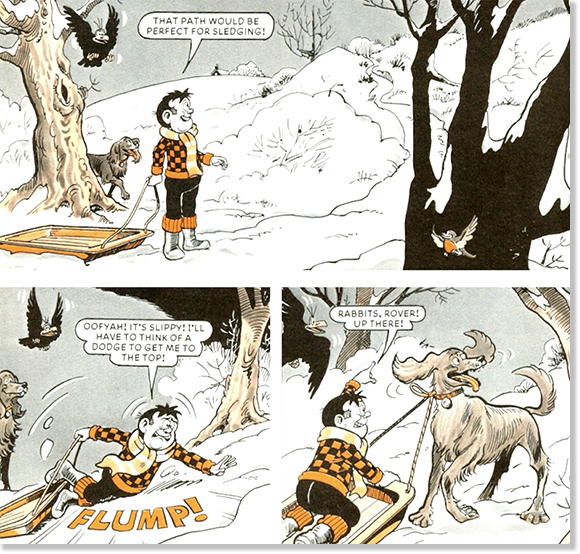
Roger the Dodger is Dennis if he instead of menacing, he dodged.
"Baby-Face" Finlayson is Dennis if he was the world's ugliest baby cowboy.
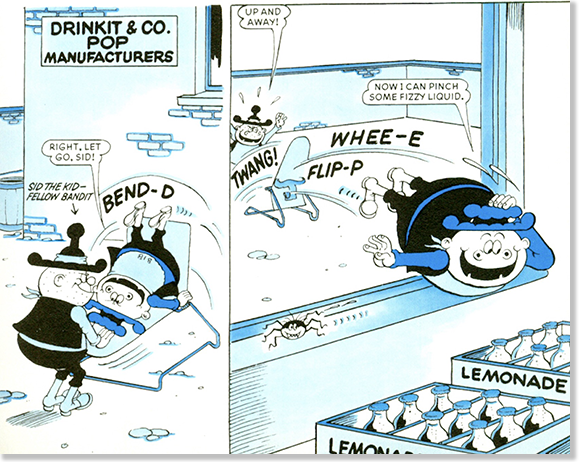
And the Bash Street Kids are Dennis split into a number of distinct entities, each embodying a different aspect of his persona.
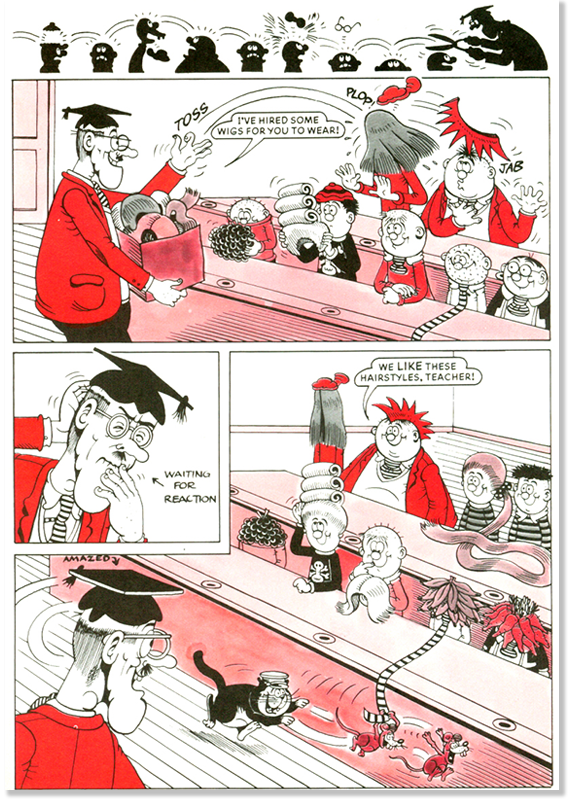
Also, sometimes they're dogs?
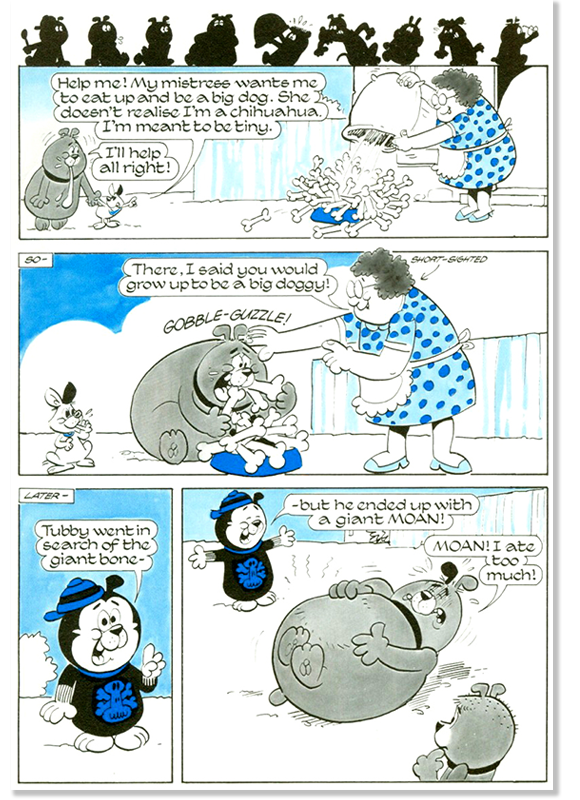
Fuck me, I know these guys were probably on a tight schedule and not getting paid nearly enough, but Compu-Toon has kept things fresh and funny on a daily basis for decades now, so what's their excuse? Did they start from noticing that "moan" rhymes with "bone" and then work backwards, writing themselves into a world where dogs devour bones as if they were food and old women believe chihuahuas evolve into larger and more powerful creatures if you shove enough femurs down their throats (short-sighted)?

Other than being attempts to recapture the heat of Dennis the Menace, a lot of Beano characters are just One Thing. In American terms, they're like Richie Rich — unidimensional archetypes whose stories all revolve around their single distinguishing characteristic. These include Lord Snooty, Ball Boy, and Billy Whizz. You can guess their deals just by seeing their names: being rich, playing football, and watersports, respectively. There's also Smudge, who is dirty.
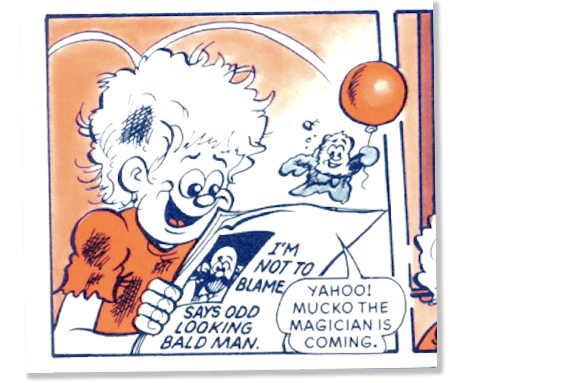
If that newspaper headline is a reference to something, it's lost on me. I guess Smudge also has a little dirt sprite friend? Every time I look at this panel I find another insane detail. We have to move on. Here's part of a Ball Boy strip.
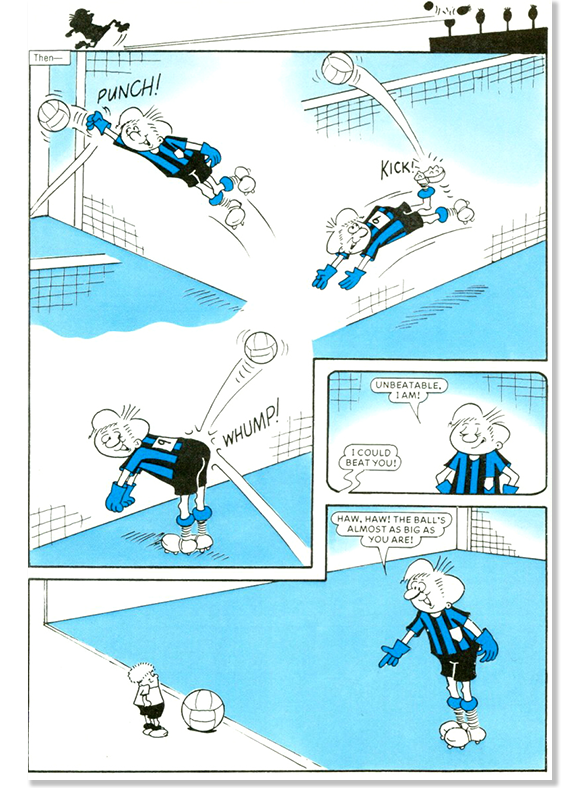
These are the desperate first drafts of a midcentury comic artist grasping at ideas to fill out a book. "Uhh, fast. Football." There isn't a lot of storytelling potential with these guys, but they certainly tried.
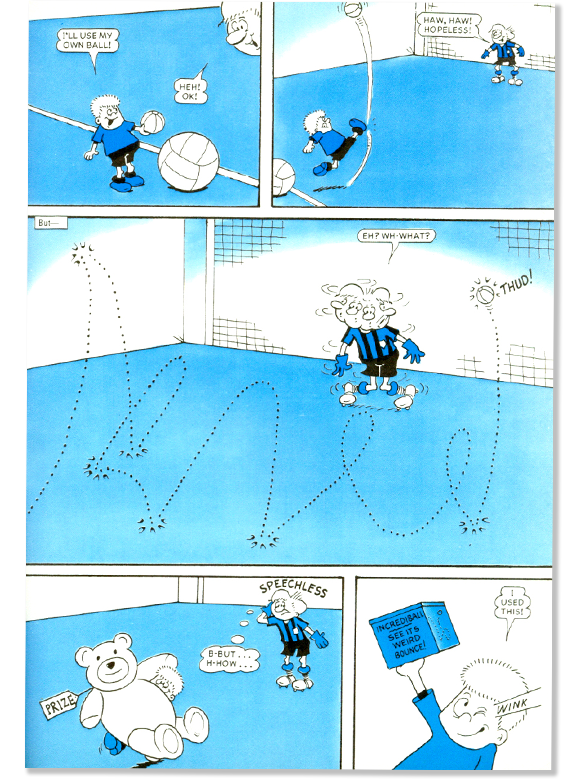
They did it again! They ended a comic by just writing out a series of words that don't refer to a real concept (Incrediball: See Its Weird Bounce!) and treated that as a punchline! That would be like if I wrote an entire comic about a guy who gets dressed up to open a new shop, but in the process his clothes get all dirty. But at the end it turns out it's ok, because it's a store that just sells crowns and robes!
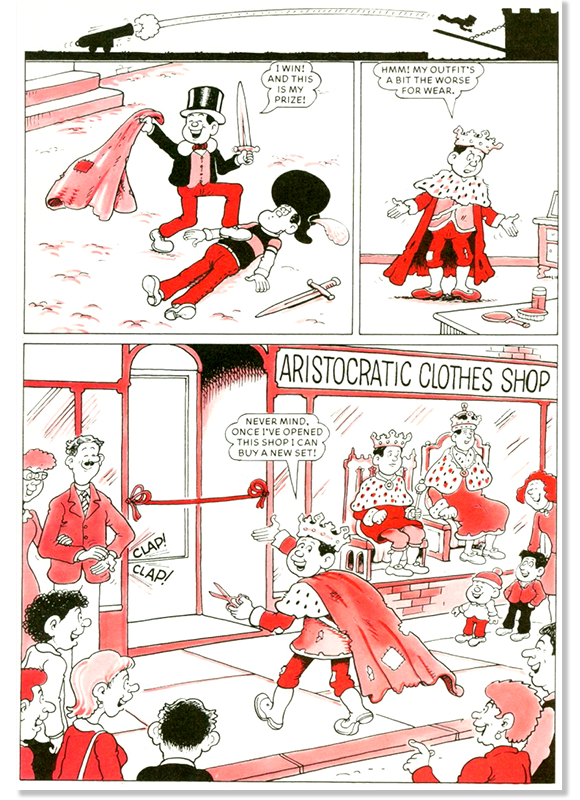
Fuck off.

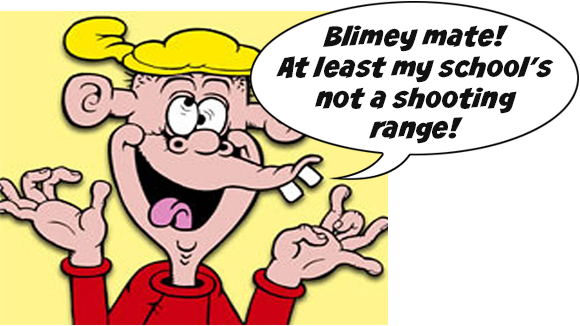
Prior to the advent of Dennis, Biffo the Bear was the mascot of The Beano. For the first few years of his strip, he didn't speak. He merely appeared and wordlessly carried out his grim deeds. Recognizing the horror of their creation, the The Beano artists eventually modified him into a good-natured buffoon, almost Mickey Mouse-esque. I mean, if Mickey Mouse was a crime against God.
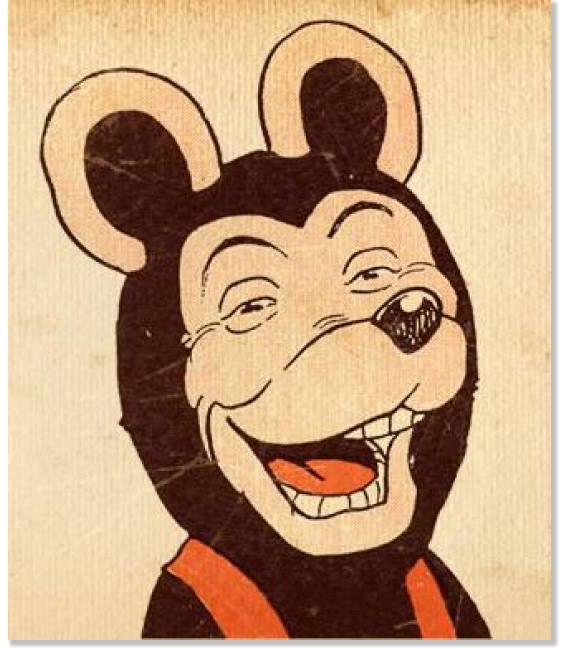
He looks like the primary antagonist in a terrible survival horror game about escaping dismemberment at the hands of public domain Disney characters. He looks like the thing that will sing the song which ends the world. He looks like Mickey Rooney was sewn into a carnival prize. The less said about him, the better. He looks like a rat Animorph cumming.

Let's go back to that Roger the Dodger strip for a second.
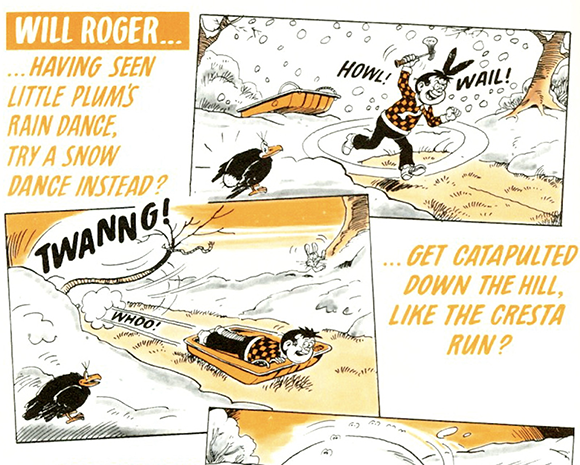
Oh no. Who is Little Plum.
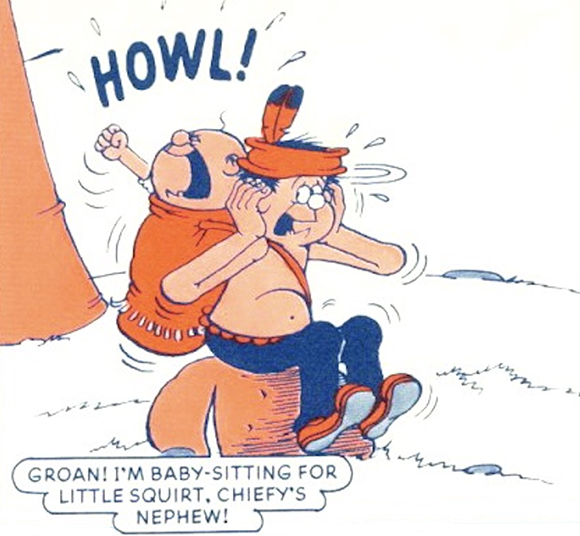
"Groan!" Indeed.
Little Plum looks like he walked out of a cartoon called The Wacky Races (Not the Cars One). He makes me yearn for the quiet dignity of the Indians in Walt Disney's Peter Pan, which premiered, like Little Plum, in 1953.
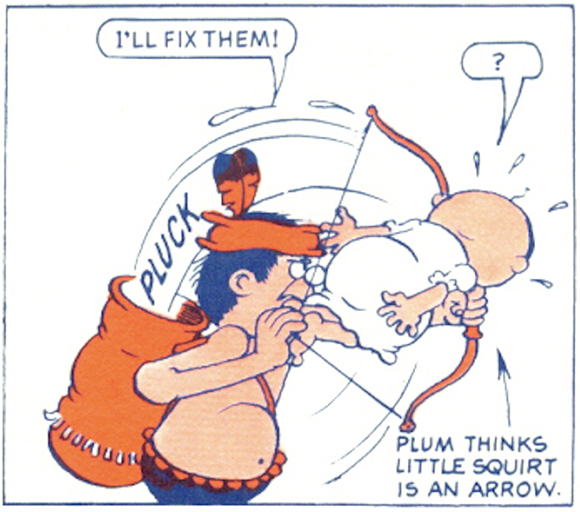
Disney didn't really acknowledge their crimes with Peter Pan until recently, but they probably wouldn't have produced it in the second half of the 20th century. But somehow, Little Plum was still running in 1987. Guess when he was retired. 1993? 2000? Try 2015.
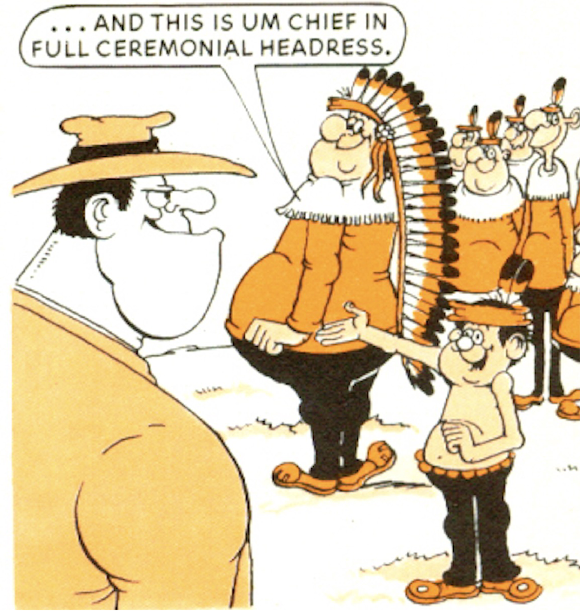
Aside from a brief hiatus from 1998-2002, Little Plum was in The Beano for over half a century. At least they dropped his distinctive speech pattern in 2002, likely to many a cry of "political correctness gone mad" from decrepit British opinion columnists.
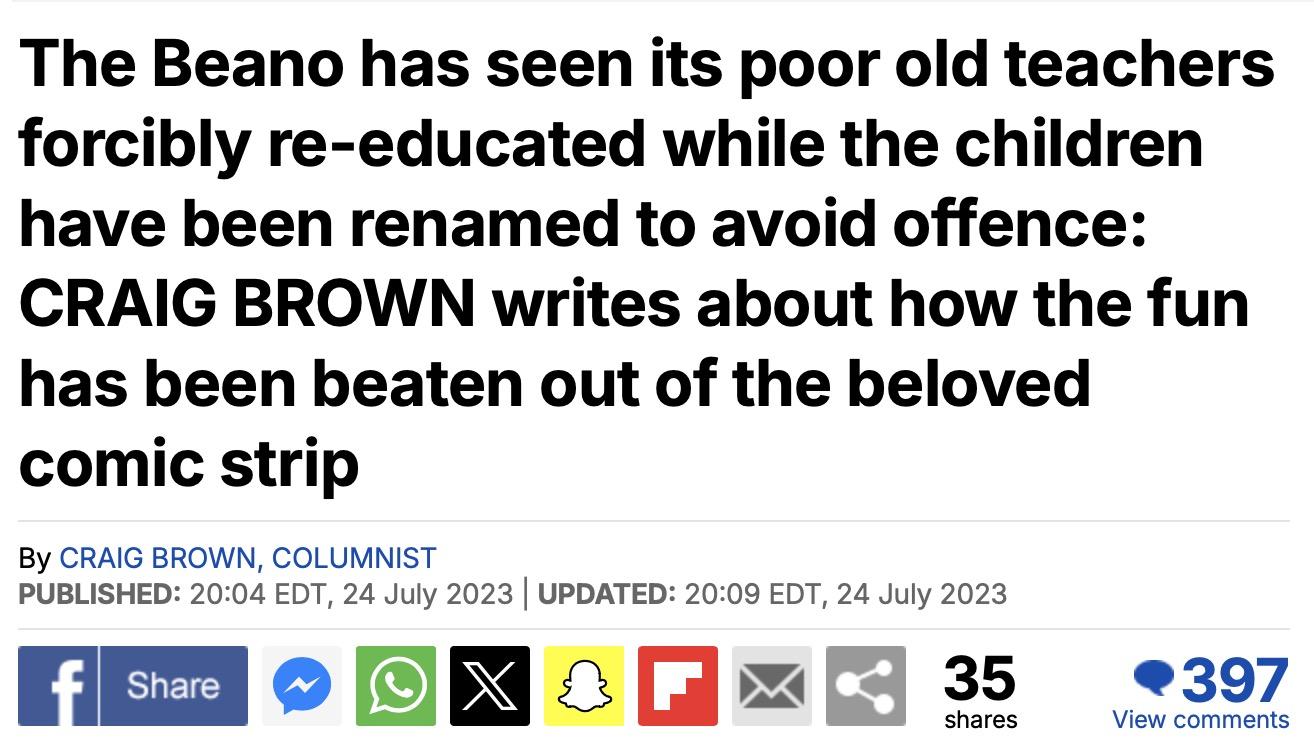
So that's The Beano. Did it entertain me as a child? Kind of. Are American children's comics just as stupid? Sure. So let me go ahead and save you the trouble if you're British and chuffed, because I know what you're already thinking.
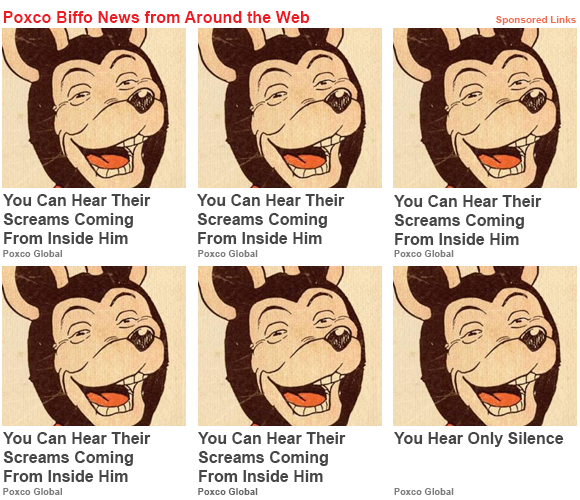
This article was brought to you by our fine sponsor and Hot Dog Supreme: Timmy Leahy, a ghost alone in a room trying to make a book fall or something. Anything to feel like he can still interact with the world he once knew.
You can read this article and every other one on the much better in every way 1900HOTDOG.COM
Comments
What is the reason for the monochrome color scheme? I can understand that as something that made sense seventy years ago, but someone could do better colors on a desktop printer for at least 30 years. Is this just a relic aesthetic choice?
Matthew Harris
2025-10-31 19:00:22 +0000 UTCWait. Beating the comic was on the table?
FancyShark
2025-10-31 04:04:58 +0000 UTCYou've fallen into my trap
merritt k
2025-10-29 20:09:02 +0000 UTCI remember reading this as a young child and being a bit bothered that half the characters were a misbehaving child in black and red attire. You could sub out Minnie and Dennis in 99% of strips. BTW "chuffed" means pleased, not annoyed.
Sandacious .
2025-10-29 19:00:31 +0000 UTCThe counter to Beano was Viz: https://cf.geekdo-images.com/P_96ptL_g2CsBgP4cYmffg__large/img/YLdhEwPXnrXgy1ibAnJhkN05OfE=/fit-in/1024x1024/filters:no_upscale():strip_icc()/pic4837103.jpg
MarkieD
2025-10-29 18:40:09 +0000 UTC